Nikola Tesla Articles
Notes from Gotham - The Rapid Transit Question Nearing Solution
Victory for the Elevated System — Electricity Will be Tried — Compressed Air for Street Cars — Nikola Tesla versus Edison — Democratic Harmony.
Special New York Letter.
The question of rapid transit for this city, which has long been under consideration by a commission appointed for the purpose, has at last been brought to a practical solution, and in rather an unexpected way. Through a decision of the Court of Appeals, the plans of the commission for an underground system are completely nullified, and an improvement and probable extension of the elevated system is the only hope at present for our overcrowded business population. There has been a pretty fight going on as between the elevated and underground systems, and the press generally has favored the latter, which affords the only complete solution of the problem.
For the present, the Manhattan Elevated Railway seems to have won a substantial victory, and Messrs. Gould and Sage are prepared to negotiate with the commission for the building of extra tracks, making a double-deck system and providing facilities for through express trains. There are also plans being brought forward for a new elevated system, to run directly from Battery Place to Peekskill, and these plans may come to a head unless the Manhattan is quick to take advantage of its legal triumph over the underground plans. It is stated that the General Electric Company, of Schenectady, have been making experiments with electricity as a motive power for the "L" roads, and an experimental car has been built and will soon be tried.
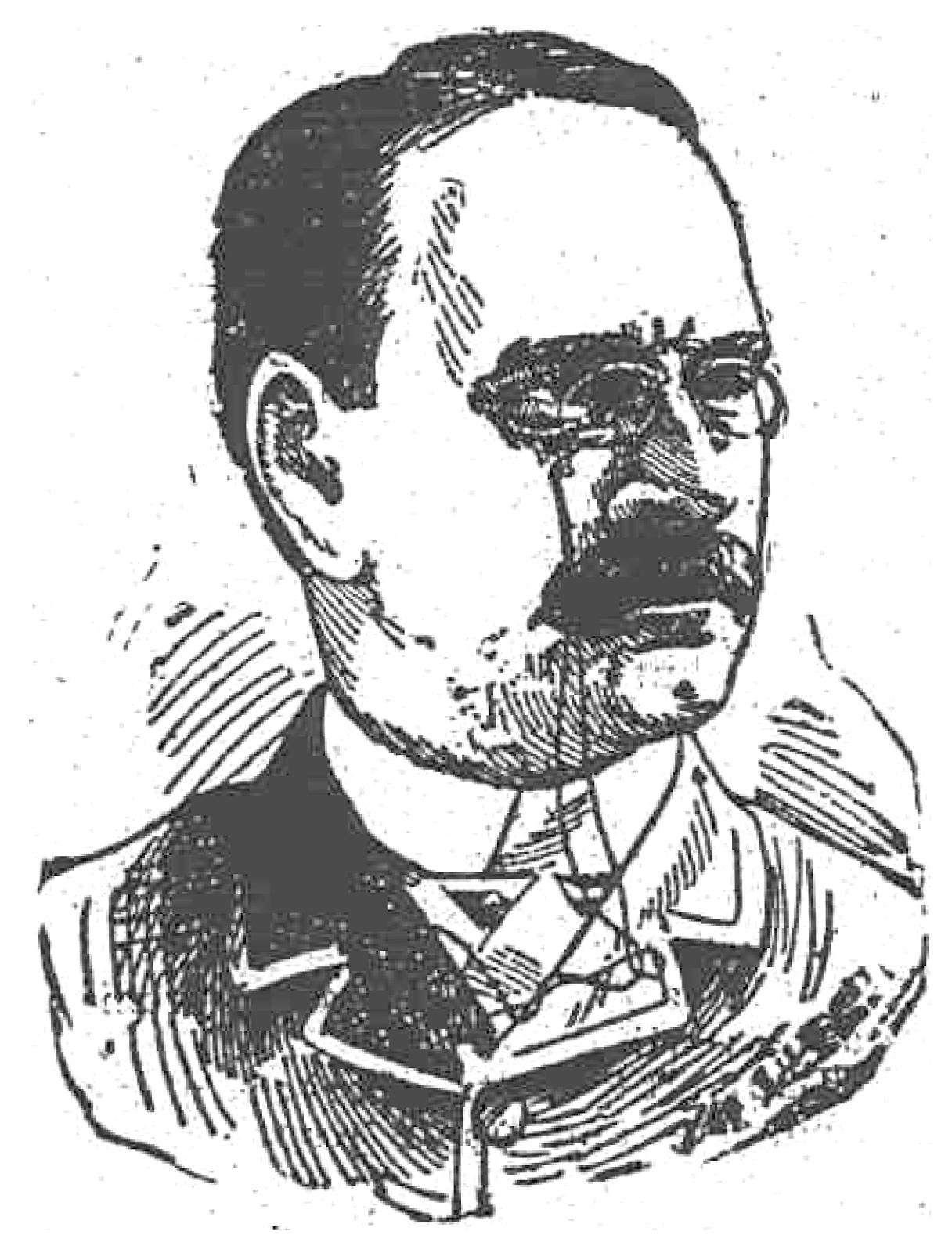
Rapid transit, however, is not the only urgent local transportation problem. Surface transit is quite as important in its way, and fully as interesting. The cable roads, which have filled quite acceptably the urgent needs of our peripatetic population, have plainly become obsolete and inadequate. The electric men have been wrestling with the problem of surface transit, not without a good promise of success. But the Metropolitan Traction Company, of which William C. Whitney is the moving spirit, has been unwilling to accept anything but a complete solution of the problem. And now we learn that compressed air is to be the new motive power for street railways. The American Wheelock Engine Company, of Worcester, Mass., are the manufacturers of a new compressed air motor, which they claim has solved the problem of running street cars in the best possible manner. They have exhibited this car to several members of the Metropolitan Traction Company, including Mr. Whitney, and several cars are to be at once fitted with the new motor. A trial car has been run at a speed of twenty miles an hour, and the control is perfect. It can be reversed easily, and stopped almost within its own length. The pneumatic motor is secured under the platform of the car, and, when charged, will run the car a distance of seventeen to twenty miles, when it must be recharged. It can be recharged in about forty seconds, and expensive power houses are not needed. The value of the new motor, if all that is claimed for it is true, is very apparent.
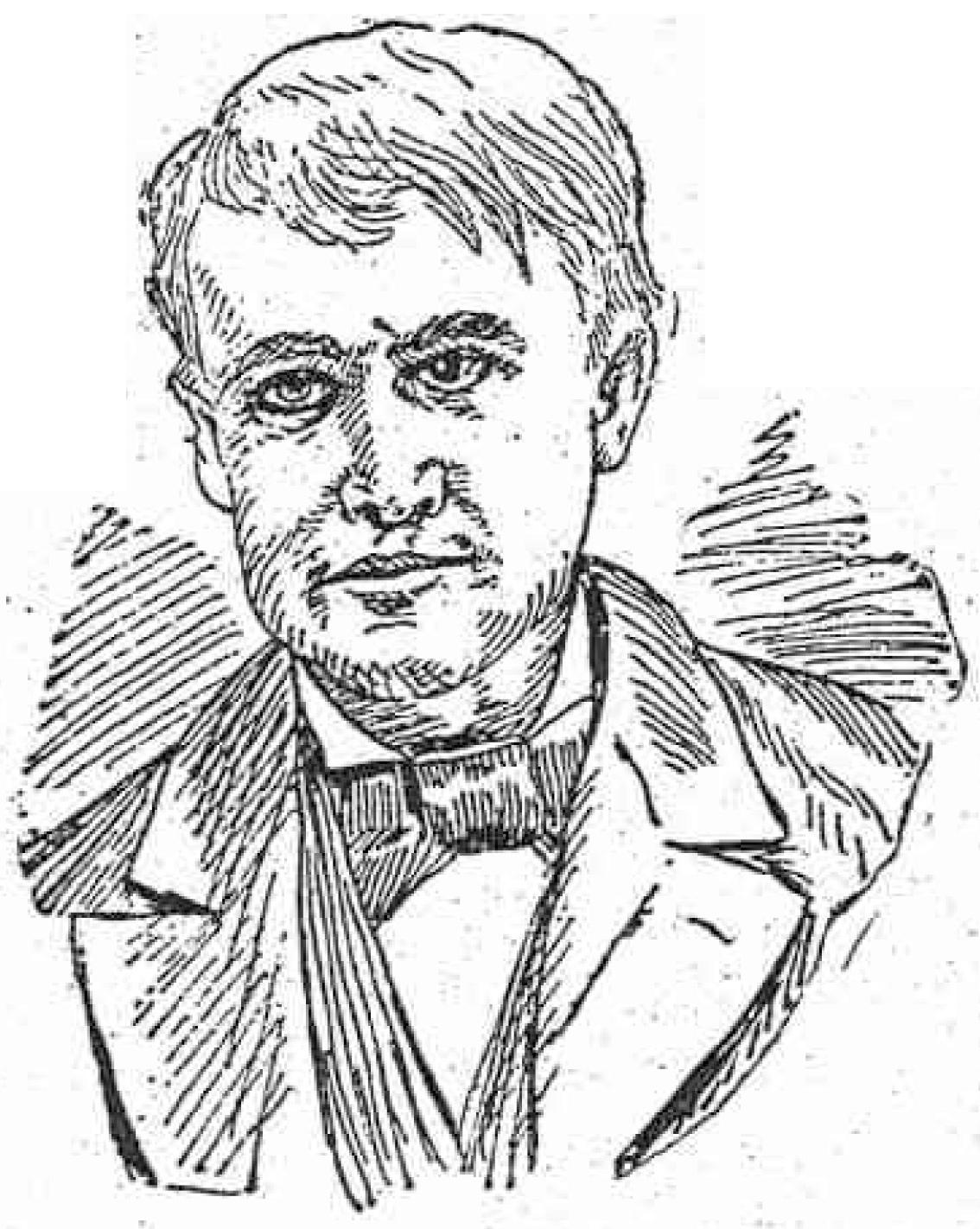
The two most noted electricians of the day are now engaged in a sharp contest for the revolution of the electric light. Tesla had no sooner announced his success with the new vacuum light than Edison was in the field with a claim that he also had developed a new vacuum tube, by means of which the "X" rays are turned into a pure white light, many times more powerful than the present incandescent light. In Edison's system an ordinary Crooks tube is coated on the interior surface with crystals of a new fluorescent substance he has devised, while Tesla claims to produce his light solely by vibration of the electric current in the vacuum of the tube. The contest between the two wizards is in an acute stage, with an agreeable prospect in view that the result will be an improved and less expensive system of lighting.
Thomas Byrnes, formerly Chief of Police, is to appear in a new role, that of general manager of a new burglary insurance department, which the United States Casualty Company is to put into operation. When Mr. Byrnes went abroad last year, he studied the system of insuring houses, stores, banks and all other sorts of buildings against burglary, which has proved popular and successful in England. He has succeeded in impressing the value of the system upon local capitalists, with a result that the Casualty Company has taken it up, and a number of our most eminent business men have gone into it. Benjamin F. Tracy, who was Secretary of the Navy in Harrison's administration, is president of the company, William H. Chesebrough, Jr., is secretary, Charles F. Fairchild, formerly Secretary of the Treasury, is treasurer, Daniel F. Lamont, Secretary of War, is a stockholder, and among the directors are Frederick R. Coudert, John A. McCall, William R. Grace, J. Edward Simmons, Perry Belmont, Major James W. Hinckley and Charles R. Flint. When a man insures his property against burglary in the new company, it becomes the duty of the latter to protect it against loss from that form of thievery or to make restitution in case a burglary occurs. Of course, the company will have a direct interest in fighting all burglars, and hence the employment of ex-Supt. Byrnes, who has the reputation of being the greatest detective this country has ever produced. The company will doubtless employ patrols and detectives, and will be an efficient aid to the public authorities in the protection of property. One of its important duties, however, will be to keep crafty persons from burglarizing their own property after taking out policies, and thus creating a dishonest demand for the insurance. Judging from the experience of fire insurance companies, Mr. Byrnes's detective skill will find plenty of employment in the direction indicated.
To the political lay mind, the motives of politicians are always an inscrutable mystery. Just at present the unsophisticated beholder is being afforded a new illustration of the occasional spectacle of the bitterest political opponents suddenly becoming friends and allies. It appears that the Democratic factions of this city have decided to bury all their differences and unite upon both national and local issues. The State Democracy, as the Grace-Fairchild organization is called, has decided not to elect delegates to the National Convention, and will also refrain from nominating candidates for the Assembly this year. This will leave the field clear for Tammany, and, in response to so practical a tender of harmony, it is said that the wigwam will name some of the prominent State Democracy men for delegates to the National Convention. The real meaning of the harmony movement is that the factions have found in sound money an issue upon which they are thoroughly united, while the quarrels and animosities resulting from the recent reform campaign have done much to destroy the old feeling against the Tammany organization.
It is noticeable that the newspaper press at present has nothing but words of praise for Col. Waring, the Street Commissioner, and his corps of white-robed "angels," as they are now called, who made so fine an appearance in the recent public parade of the department. The Colonel has undoubtedly succeeded in introducing a degree of discipline never before attained in this department of local work, and, with all his eccentricities, he has shown the clearest practical results from the increased expenditures he has caused. Many of his former critics have become his friends, and it is even hinted that a change of local government would not result in his being displaced from his position.
One of the sights of our harbor at present is the white fleet of Admiral Bunce, which lies peacefully at anchor most of the time off Staten Island, although during the past week the vessels slipped out to sea for squadron maneuvers and gun and torpedo practice. Those who would like to see how Uncle Sam's money is being spent under the naval appropriation bills, should take a short run down the harbor, in case of a visit to the city. They will certainly see as spick and span a fleet as ever delighted the eye of a land-lubber. And, while they look so peaceful, one cannot help but realize the awful powers of destruction that are pent up in these graceful ships, and it is easy to appreciate what an effect this squadron has had in the complicated foreign diplomacy with which our Government has recently been concerned.
MILTON S. MAYHEW.