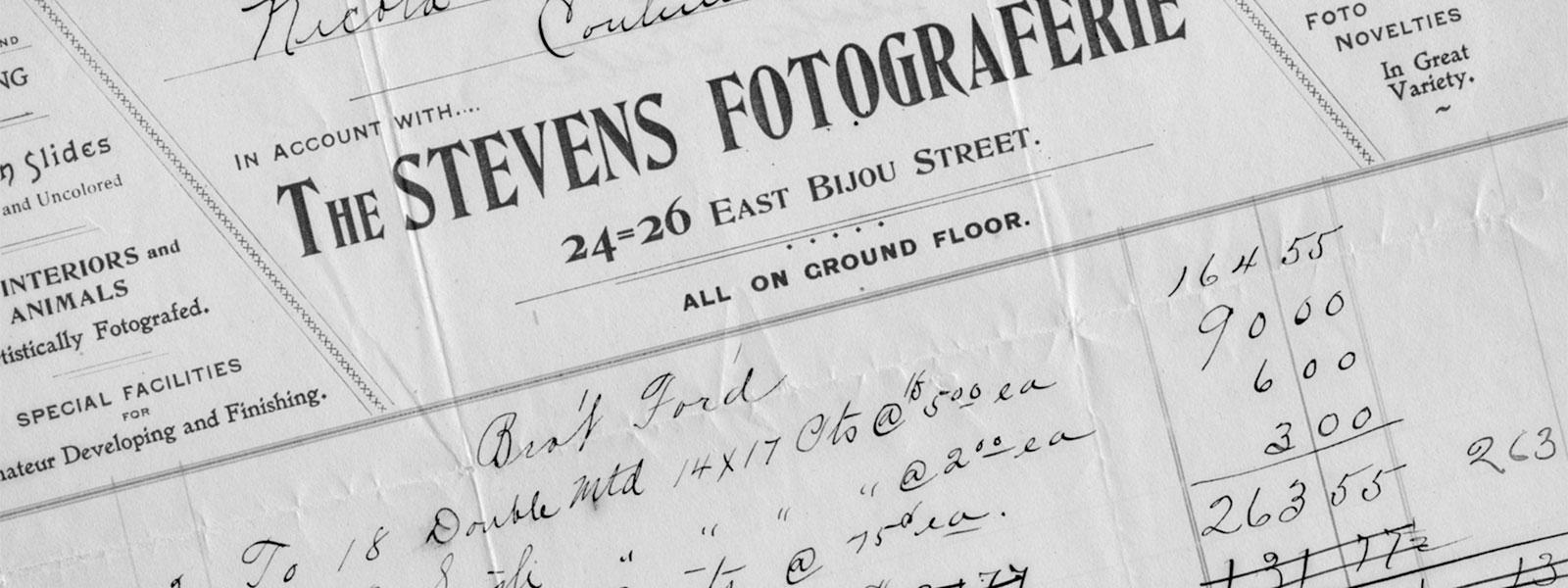
Nikola Tesla Documents

Nikola Tesla FBI Files - Page 241
Nikola
TESLA
Whose daring imagination and concrete accomplishments are among the wonders of our age.
By PAULINE KLOPACKA
WHEN Nikola Tesla died in January of 1943 in comparative seclusion in a New York hotel, he owned no more than the few personal possessions that had become dear to him during the 86 years of his life. Yet his estate was so fabulous that its value can never be truly assessed. And his heirs were the men and women of all the world.
What price can be put on the work of a man who brought into being the electric power era? The industrial giant that the U. S. is today rests on the series of brilliant discoveries and inventions in the harnessing and transmission of electricity conceived by Nikola Tesla, who came to this country from the land of the South Slavs when he was 28 years of age.
It was at midnight between July 9 and 10 in 1856 that a son, Nikola, was born to the Rev. Milutin Tesla and Djouka, his wife, in the little Serbian village of Smiljan, in the province of Lika. Now a part of Yugoslavia, it was at that time under Austro-Hungarian rule.
Tesla's father, a Serb, was a priest of the Greek Church, and his mother of a distinguished Serbian family, came from a long line of inventors. Both father and mother gave to the child a valuable heritage and culture developed and passed on by ancestral families that had been community leaders for many generations.
It was at first planned that the son prepare for the priesthood but Nikola would have none of this. Physics and mathematics fascinated him. He would be a teacher of these favorite subjects. But then he switched to electrical engineering and at the age of 25 a graduate of Prague University--earlier training had been obtained at the Graz Polytechnic in Austria--he was set for his first job.
At that time the American Telephone System was brought to Europe and an installation set up in Budapest, where Tesla was a successful applicant for a position.
THREE years later, in 1884, he was U.S. bound. There were 4 cents in the young immigrant's pocket when he arrived in New York, but that did not disturb him. He had the names of friends. He would soon get to work.
His confidence was well founded, since within a few years he was counted among the ranking scientists of the country, his discoveries bringing in handsome royalties.
It is interesting to note the description of Tesla at this time by his biographer, J. J. O'Neill in the book, "Prodigal Genius": "Tesla was a