Nikola Tesla Documents

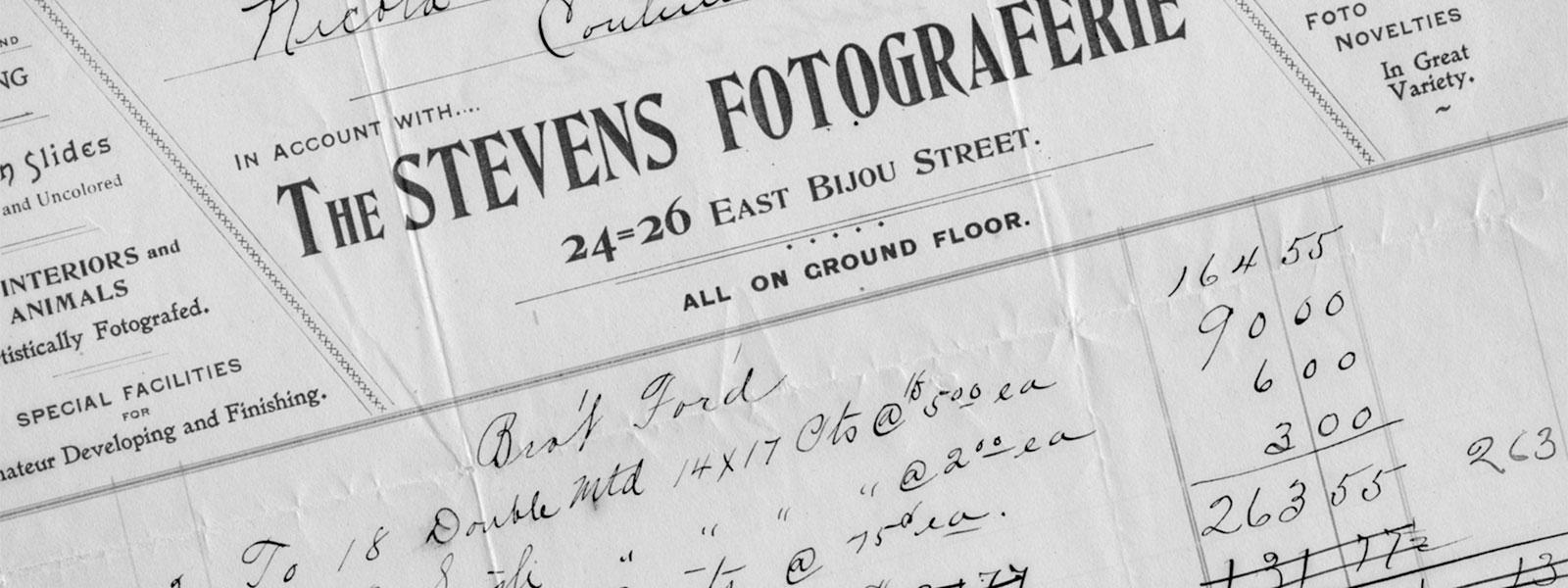
Nikola Tesla FBI Files - Page 61
Where the average engineer or inventor would reach instinctively for drawing board, paper and pencil, Tesla would simply switch on that uncanny magic lantern inside his brain. He would fix a mental image there. Then he would alter this detail or that, discard one plan, try another, without ever putting a line on paper.
Years later-from these mental images alone-he could give his workmen exact instructions on how to build each part of a new device, though it was unlike anything ever seen before.
Thus, needing no drafting room and few laboratory conveniences to work on an idea, Tesla could use every spare minute that he had to test and revise his theory of alternating current.
His first real job was manager of a newly organized telephone company in Budapest. But telephone circuits were dull stuff compared with the challenge of that one big idea. He moved to Paris where he became a kind of general trouble-shooter for the Continental Edison Company.
His brain was still chipping away at his big problem, but the trouble was, he couldn't share it with trained men who might have helped him work it out. For whenever he mentioned alternating current to an electrical engineer, the man would look at him as though he were crazy.
But then came the moment when he knew he had solved it. He was walking with a friend in the Bois de Boulogne. Suddenly, he stopped short and began jabbing with his cane at some invisible object in the air.
"See-it works!" he shouted. "It is the rotating magnetic field which causes the armature to turn. It pulls the magnets around with it, causing the shaft to revolve. As I oscillate this switch, causing the current to flow first in one direction, then the other..."
Never mind what his friend thought. Tesla had the answer.
At the office, his colleagues sculled or looked blank. But the manager, listening to the outpourings of scientific jargon, suddenly thought of his loss back in the United States. If there are some truth in what the Croat said, surely the famous electrical wizard would be smart enough to see it.
So he gave Tesla a letter of introduction to Thomas Edison and urged him to try his luck in America. Thus, Tesla, now 27, arrived in New York. He was handsome, over six-feet-two, with a distinguished head and deep-set blue eyes. His Slavic face was broad across the cheekbones, his dark hair thick, his chin sharply pointed. Of worldly goods, he had the clothes on his back, four cents in cash, the letter to Edison, and the idea which was to change the world.
Edison thought less than nothing of the idea. It seemed so preposterous that he wouldn't even listen