Nikola Tesla Articles
Electric Farming
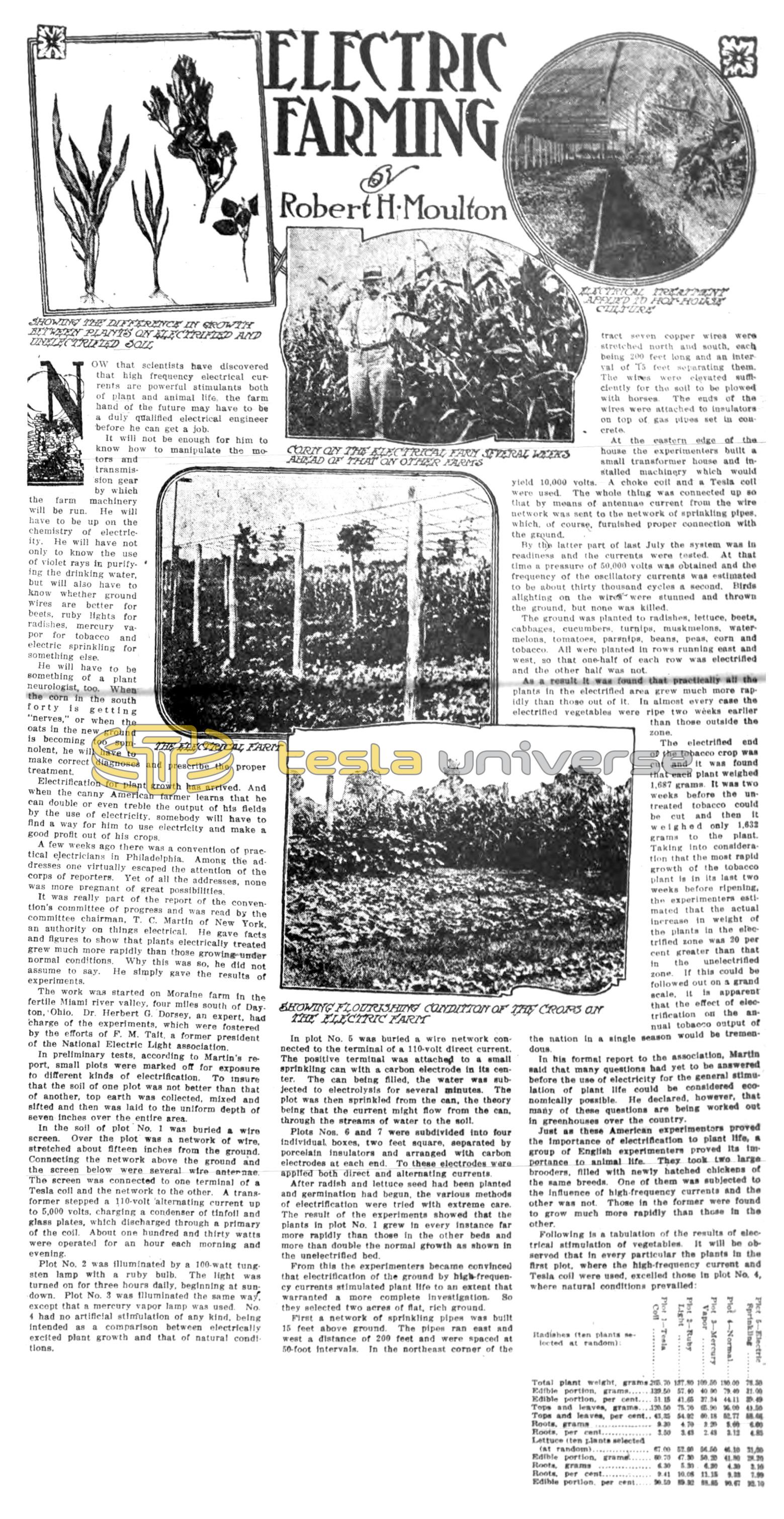
Now that scientists have discovered that high frequency electrical currents are powerful stimulants both of plant and animal life, the farm hand of the future may have to be a duly qualified electrical engineer before he can get a job. It will not be enough for him to know how to manipulate the motors and transmission gear by which the farm machinery will be run. He will have to be up on the chemistry of electricity. He will have not only to know the use of violet rays in purifying the drinking water, but will also have to know whether ground wires are better for beets, ruby lights for radishes, mercury vapor for tobacco and electric sprinkling for something else. He will have to be something of a plant neurologist, too. When the corn in the south forty is getting “nerves,” or when the oats in the new ground is becoming too somnolent, he will have to make correct diagnoses and prescribe the proper treatment.
Electrification for plant growth has arrived. And when the canny American farmer learns that he can double or even treble the output of his fields by the use of electricity, somebody will have to find a way for him to use electricity and make a good profit out of his crops.
A few weeks ago there was a convention of practical electricians in Philadelphia. Among the addresses one virtually escaped the attention of the corps of reporters. Yet of all the addresses, none was more pregnant of great possibilities. It was really part of the report of the convention’s committee of progress and was read by the committee chairman, T. C. Martin of New York, an authority on things electrical. He gave facts and figures to show that plants electrically treated grew much more rapidly than those growing under normal conditions. Why this was so, he did not assume to say. He simply gave the results of experiments.
The work was started on Moraine farm in the fertile Miami river valley, four miles south of Dayton, Ohio. Dr. Herbert G. Dorsey, an expert, had charge of the experiments, which were fostered by the efforts of F. M. Tait, a former president of the National Electric Light association.
In preliminary tests, according to Martin’s report, small plots were marked off for exposure to different kinds of electrification. To insure that the soil of one plot was not better than that of another, top earth was collected, mixed and sifted and then was laid to the uniform depth of seven inches over the entire area.
In the soil of plot No. 1 was buried a wire screen. Over the plot was a network of wire, stretched about fifteen inches from the ground. Connecting the network above the ground and the screen below were several wire antennae. The screen was connected to one terminal of a Tesla coil and the network to the other. A transformer stepped a 110-volt alternating current up to 5,000 volts, charging a condenser of tinfoil and glass plates, which discharged through a primary of the coil. About one hundred and thirty watts were operated for an hour each morning and evening.
Plot No. 2 was illuminated by a 100-watt tungsten lamp with a ruby bulb. The light was turned on for three hours daily, beginning at sundown. Plot No. 3 was illuminated the same way, except that a mercury vapor lamp was used. No. 4 had no artificial stimulation of any kind, being intended as a comparison between electrically excited plant growth and that of natural conditions.
In plot No. 5 was buried a wire network connected to the terminal of a 110-volt direct current. The positive terminal was attached to a small sprinkling can with a carbon electrode in its center. The can being filled, the water was subjected to electrolysis for several minutes. The plot was then sprinkled from the can, the theory being that the current might flow from the can, through the streams of water to the soil.
Plots Nos. 6 and 7 were subdivided into four individual boxes, two feet square, separated by porcelain insulators and arranged with carbon electrodes at each end. To these electrodes were applied both direct and alternating currents.
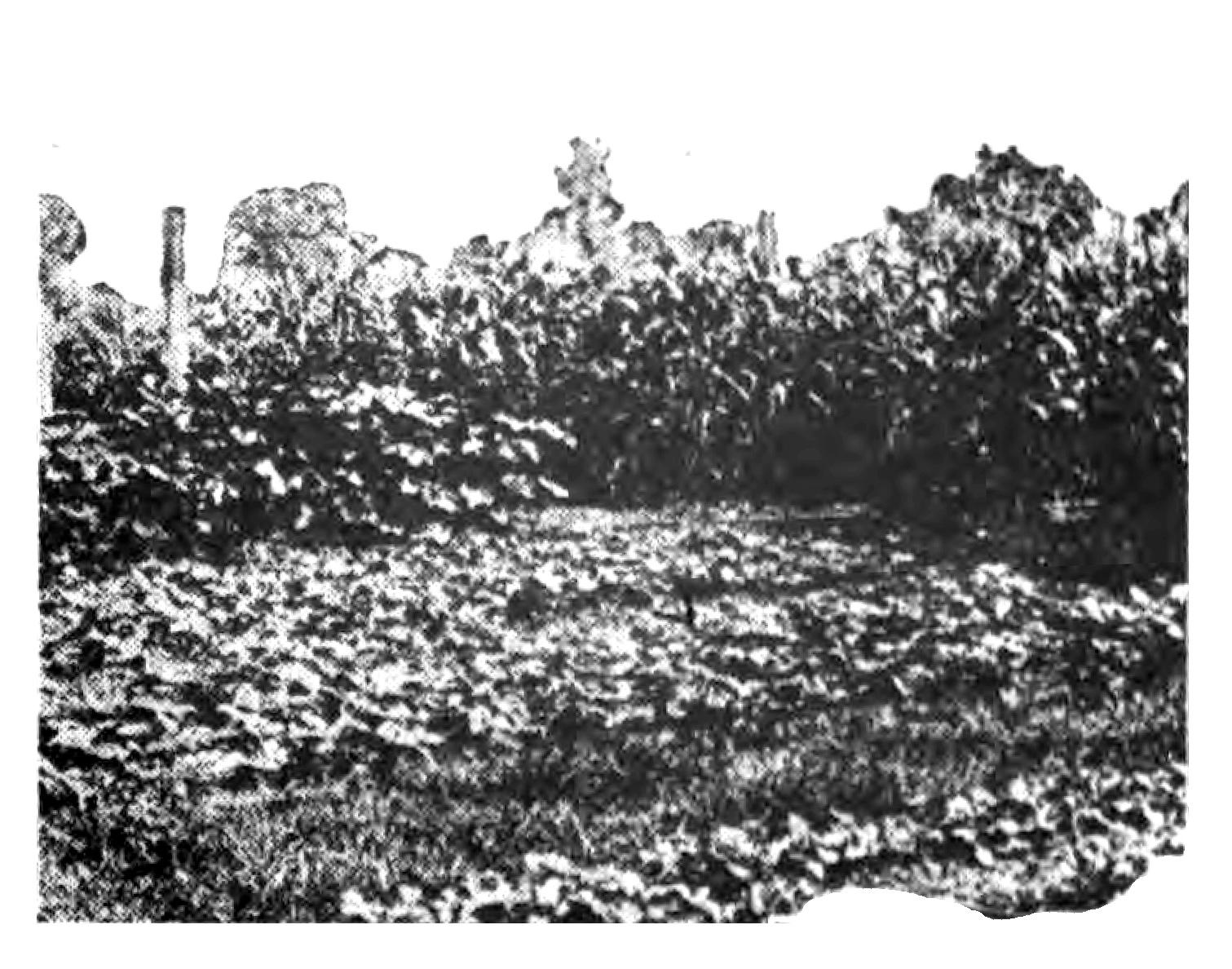
After radish and lettuce seed had been planted and germination had begun, the various methods of electrification were tried with extreme care. The result of the experiments showed that the plants in plot No. 1 grew in every instance far more rapidly than those in the other beds and more than double the normal growth as shown in the unelectrified bed.
From this the experimenters became convinced that electrification of the ground by high-frequency currents stimulated plant life to an extent that warranted a more complete investigation. So they selected two acres of flat, rich ground.
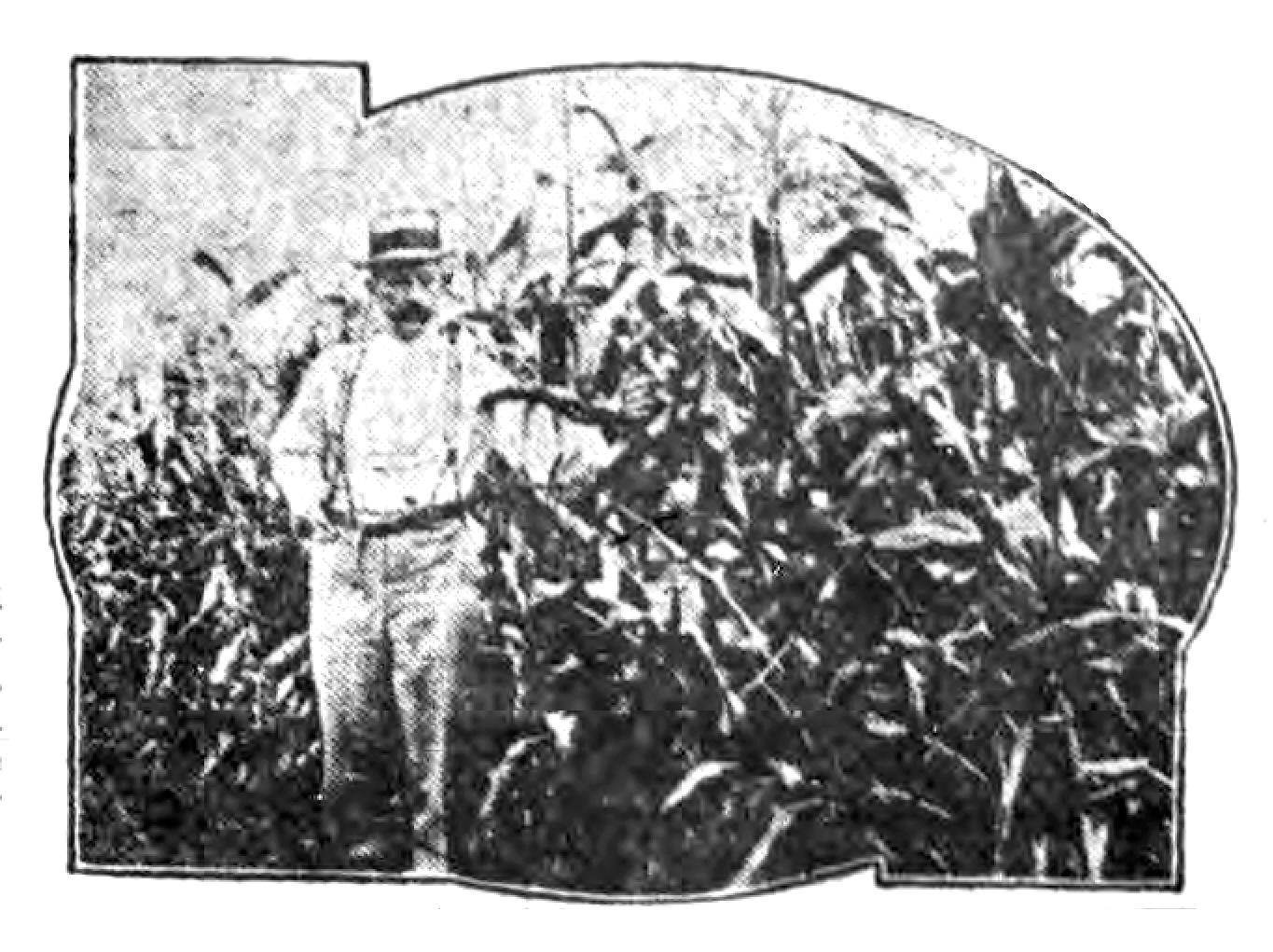
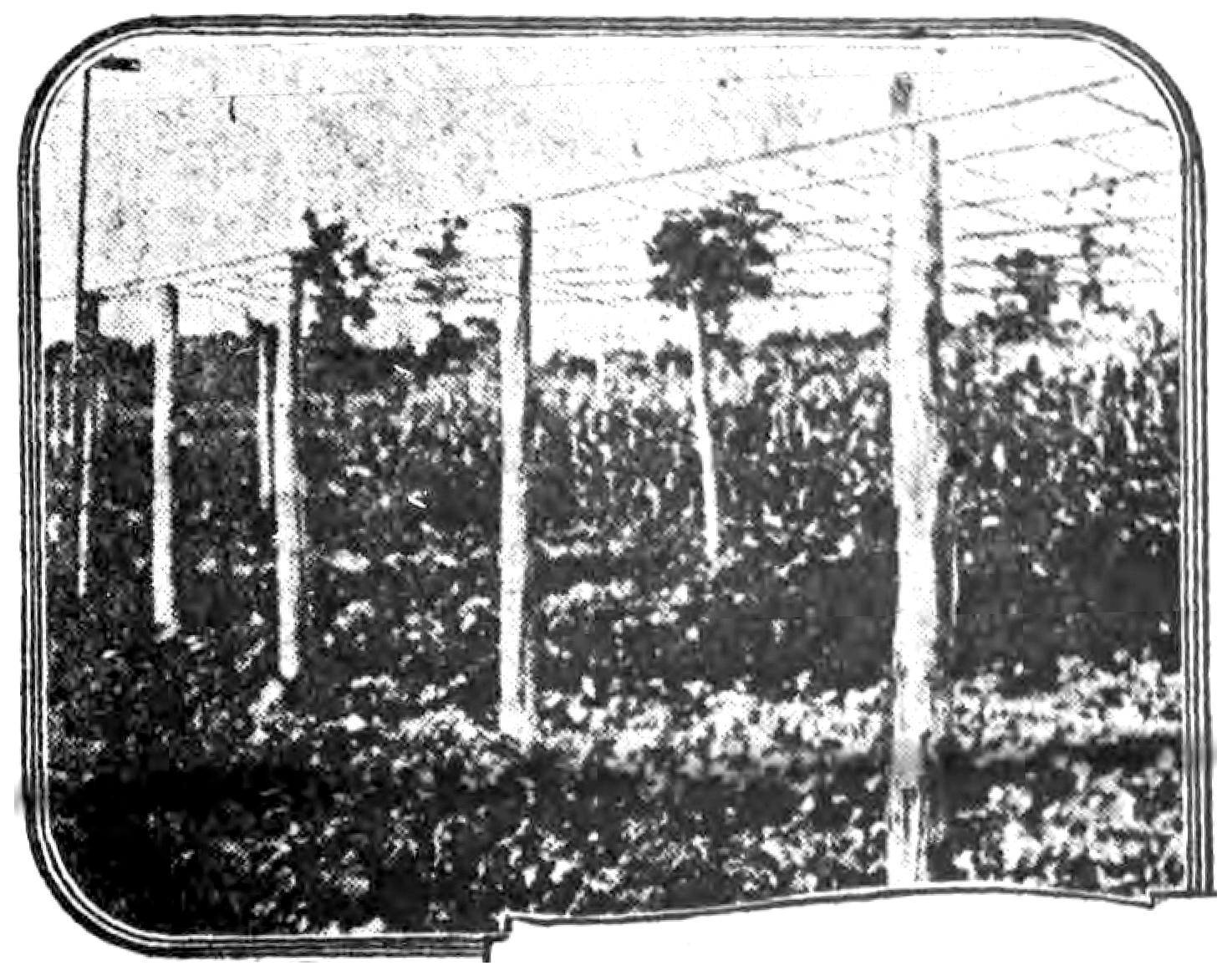
First a network of sprinkling pipes was built 15 feet above ground. The pipes ran east and west a distance of 200 feet and were spaced at 50-foot intervals. In the northeast corner of the tract seven copper wires were stretched north and south, each being 200 feet long and an interval of 75 feet separating them. The wires were elevated sufficiently for the soil to be plowed with horses. The ends of the wires were attached to insulators on top of gas pipes set in concrete.
At the eastern edge of the house the experimenters built a small transformer house and installed machinery which would yield 10,000 volts. A choke coil and a Tesla coil were used. The whole thing was connected up so that by means of antennae current from the wire network was sent to the network of sprinkling pipes, which, of course, furnished proper connection with the ground.
By the latter part of last July the system was in readiness and the currents were tested. At that time a pressure of 50,000 volts was obtained and the frequency of the oscillatory currents was estimated to be about thirty thousand cycles a second. Birds alighting on the wires were stunned and thrown to the ground, but none was killed.
The ground was planted to radishes, lettuce, beets, cabbages, cucumbers, turnips, muskmelons, watermelons, tomatoes, parsnips, beans, peas, corn and tobacco. All were planted in rows running east and west, so that one-half of each row was electrified and the other half was not.
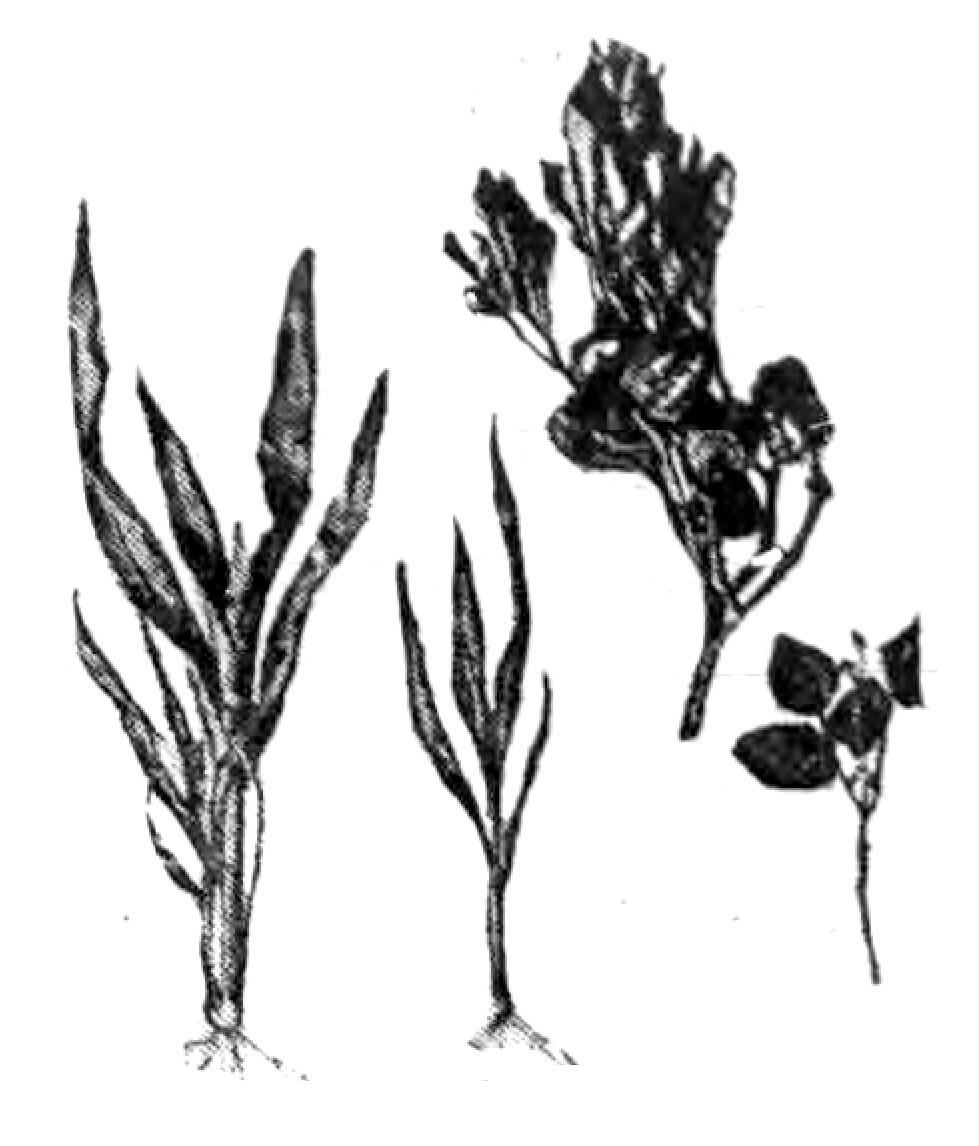
As a result it was found that practically all the plants in the electrified area grew much more rapidly than those out of it. In almost every case the electrified vegetables were ripe two weeks earlier than those outside the zone.
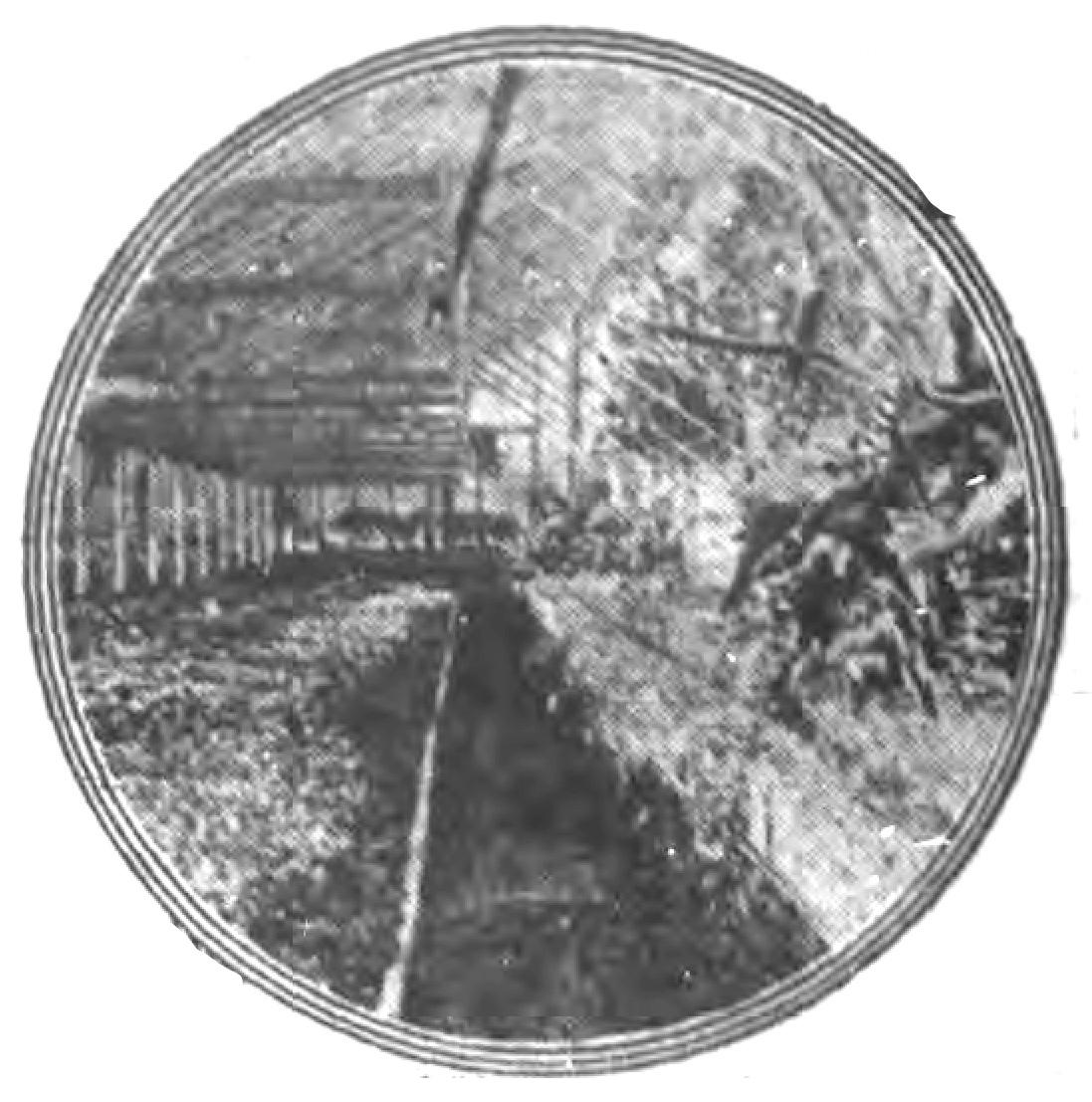
The electrified end of the tobacco crop was cut and it was found that each plant weighed 1,687 grams. It was two weeks before the untreated tobacco could be cut and then it weighed only 1,632 grams to the plant. Taking into consideration that the most rapid growth of the tobacco plant is in its last two weeks before ripening, the experimenters estimated that the actual increase in weight of the plants in the electrified zone was 20 per cent greater than that in the unelectrified zone. If this could be followed out on a grand scale, it is apparent that the effect of electrification on the annual tobacco output of the nation in a single season would be tremendous.
In his formal report to the association, Martin said that many questions had yet to be answered before the use of electricity for the general stimulation of plant life could be considered economically possible. He declared, however, that many of these questions are being worked out in greenhouses over the country.
Just as these American experimenters proved the importance of electrification to plant life, a group of English experimenters proved its importance to animal life. They took two large brooders, filled with newly hatched chickens of the same breeds. One of them was subjected to the influence of high-frequency currents and the other was not. Those in the former were found to grow much more rapidly than those in the other.
Following is a tabulation of the results of electrical stimulation of vegetables. It will be observed that in every particular the plants in the first plot, where the high-frequency current and Tesla coil were used, excelled those in plot No. 4, where natural conditions prevailed:
Radishes (ten plants selected at random):
| Plot 1 | Plot 2 | Plot 3 | Plot 4 | Plot 5 | |
|---|---|---|---|---|---|
| Total plant weight, grams | 187.50 | 180.00 | 190.00 | 28.50 | 30.50 |
| Edible portion, grams | 132.50 | 57.40 | 40.90 | 79.90 | 31.00 |
| Edible portion, per cent | 31.15 | 41.65 | 37.34 | 44.11 | 20.49 |
| Tops and leaves, grams | 120.50 | 75.70 | 65.90 | 96.00 | 43.50 |
| Tops and leaves, per cent | 43.55 | 54.92 | 60.18 | 52.77 | 88.46 |
| Roots, grams | 9.20 | 4.70 | 3.20 | 5.60 | 6.00 |
| Roots, per cent | 3.50 | 3.43 | 2.45 | 3.12 | 4.85 |
Lettuce (ten plants selected at random):
| Plot 1 | Plot 2 | Plot 3 | Plot 4 | Plot 5 | |
|---|---|---|---|---|---|
| Total plant weight, grams | 67.00 | 52.00 | 54.50 | 46.10 | 31.00 |
| Edible portion, grams | 80.20 | 47.30 | 50.20 | 43.20 | 28.25 |
| Roots, grams | 6.30 | 5.30 | 6.20 | 4.30 | 3.10 |
| Roots, per cent | 9.41 | 10.08 | 11.15 | 9.33 | 7.99 |
| Edible portion, per cent | 50.59 | 80.92 | 88.65 | 90.67 | 91.10 |