Nikola Tesla Articles
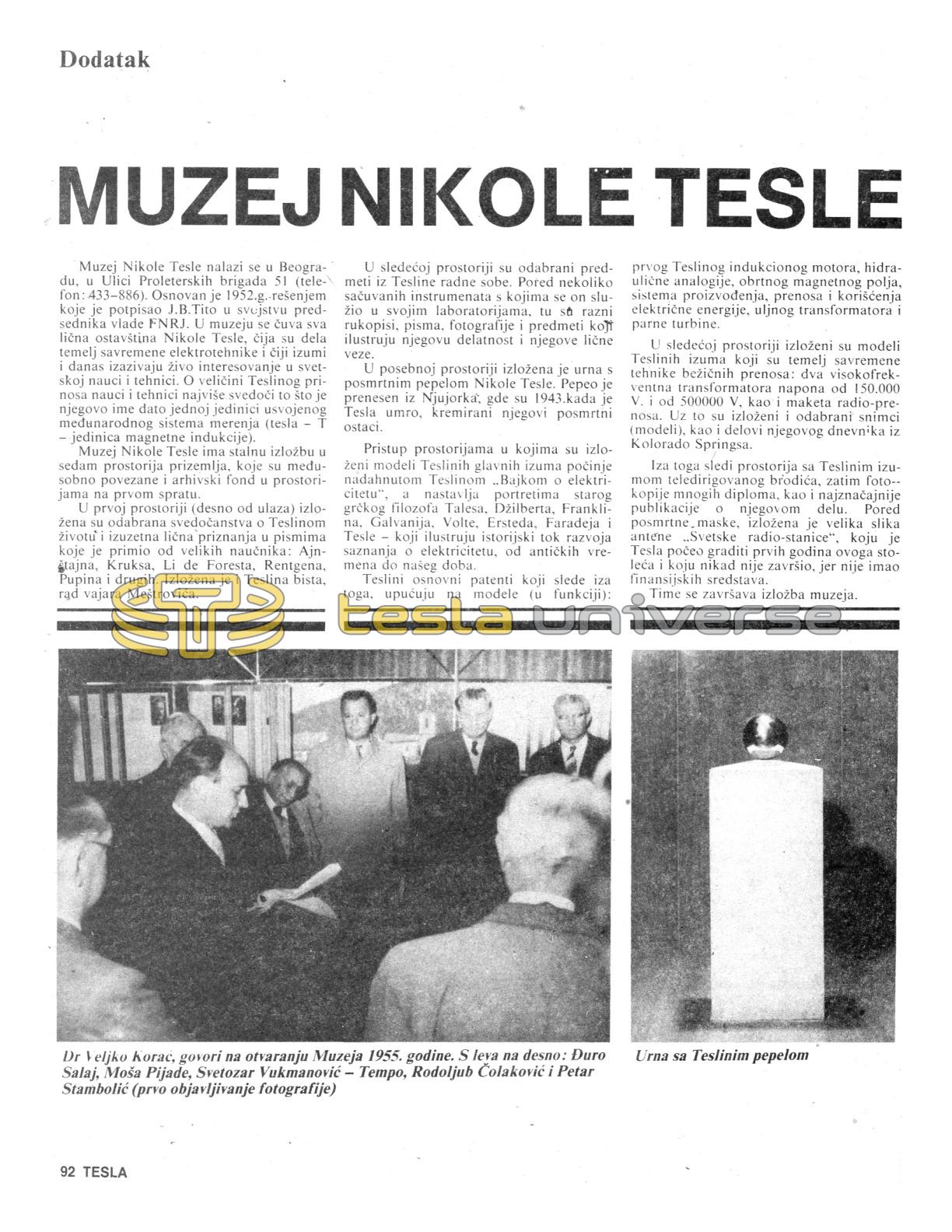
Nikola Tesla Museum
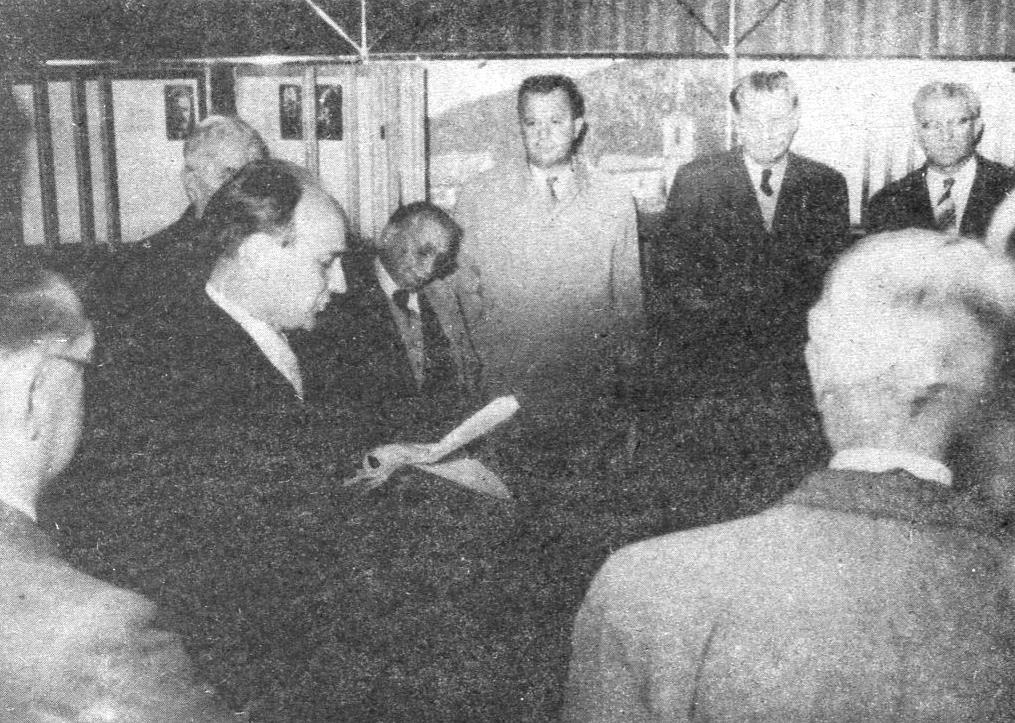
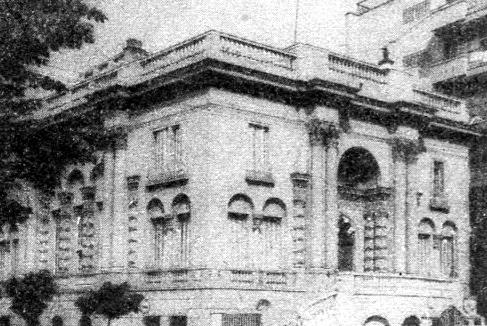
The Nikola Tesla Museum is located in Belgrade, at 51 Proleterskih Brigada Street (telephone: 433-886). It was founded in 1952 by a decision signed by J. B. Tito in his capacity as President of the Government of the Federal People’s Republic of Yugoslavia (FNRJ).
The museum preserves the entire personal legacy of Nikola Tesla, whose works form the foundation of modern electrical engineering and whose inventions continue to arouse keen interest in world science and technology. The magnitude of Tesla’s contribution is best illustrated by the fact that his name was given to a unit of the internationally adopted system of measurement (tesla – T – the unit of magnetic induction).
The Nikola Tesla Museum has a permanent exhibition in seven interconnected ground-floor rooms and an archival collection in the rooms on the first floor.
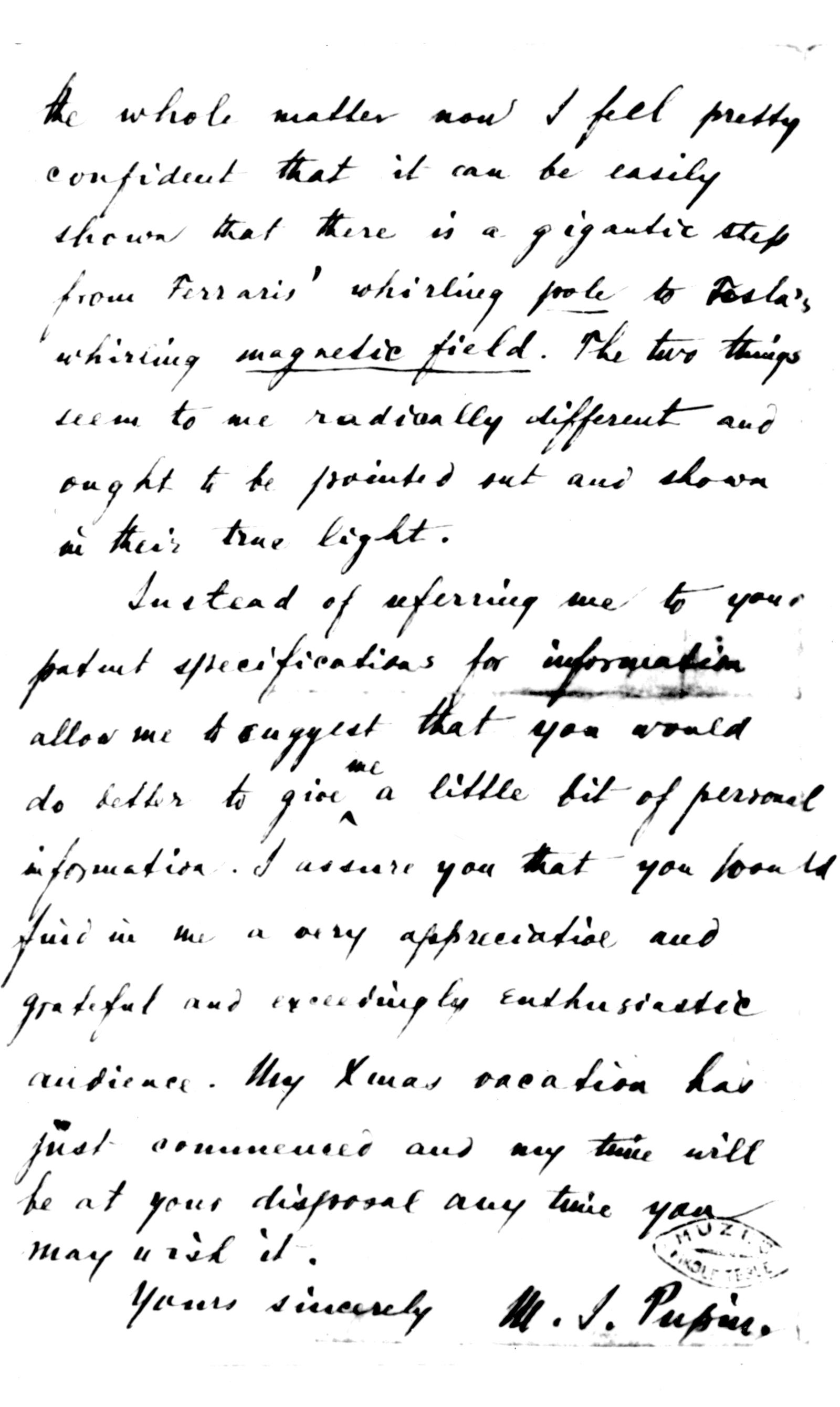
In the first room (to the right of the entrance) selected testimonials about Tesla’s life and exceptional personal recognitions are displayed — letters he received from great scientists: Einstein, Crookes, Lee de Forest, Röntgen, Pupin, and others. Tesla’s bust, the work of the sculptor Meštrović, is also exhibited.
In the next room selected objects from Tesla’s study are shown. In addition to several preserved instruments he used in his laboratories, there are various manuscripts, letters, photographs, and objects that illustrate his work and personal connections.
In a special room an urn containing Nikola Tesla’s ashes is displayed. The ashes were transferred from New York, where, after Tesla’s death in 1943, his remains were cremated.
Access to the rooms containing models of Tesla’s principal inventions begins with Tesla’s inspiring “Tale of Electricity” and continues with portraits of the ancient Greek philosopher Thales, Gilbert, Franklin, Galvani, Volta, Oersted, Faraday, and Tesla, which illustrate the historical development of knowledge about electricity from antiquity to the present day.
Tesla’s fundamental patents that follow point to the models (shown in operation): Tesla’s first induction motor, the hydraulic analogy, the rotating magnetic field, systems for the generation, transmission, and utilization of electrical energy, an oil transformer, and a steam turbine.
In the next room models of Tesla’s inventions that form the foundation of modern wireless transmission technology are exhibited: two high-frequency voltage transformers of 150,000 V and 500,000 V, as well as a model of radio transmission. Selected recordings (models) and parts of his diary from Colorado Springs are also displayed.
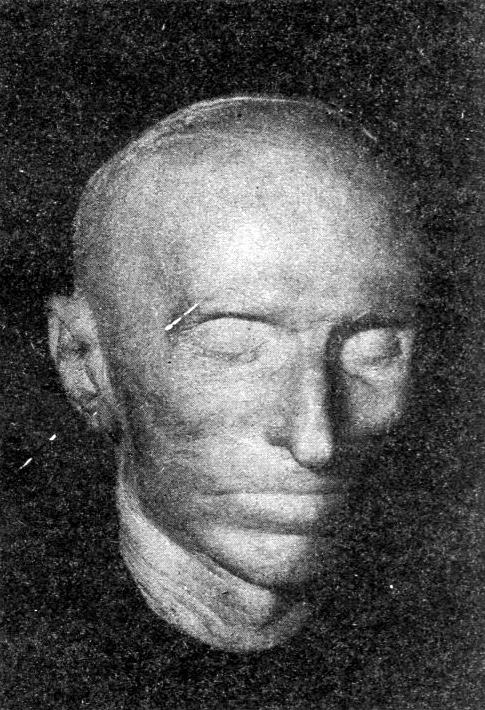
This is followed by a room with Tesla’s invention of the remote-controlled boat, then photocopies of many diplomas, and the most important publications about his work. Beside the death mask a large picture of the antenna of the “World Radio Station” is shown — the station Tesla began to build in the first years of this century and never completed for lack of financial means.
This concludes the museum’s exhibition.
The magnitude of Tesla’s work is attested not only by this exhibition but also by the fund of Nikola Tesla’s personal estate, with its exceptionally rich written documentation, which was transferred from the USA to Belgrade in 1950 and has been systematically numbered and catalogued.
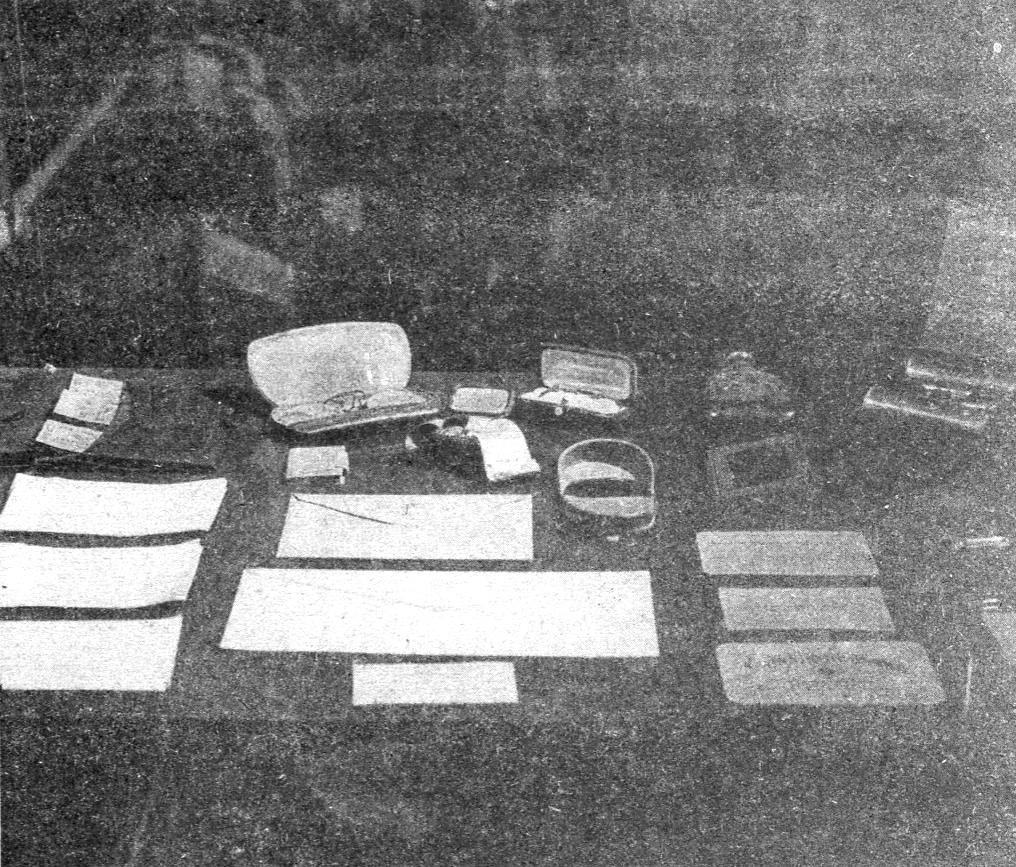
The following figures testify to the exceptional richness and value of this fund: biographical materials comprise 12,238 items (Tesla’s correspondence with 6,700 persons comprises about 70,000 sheets of various formats); various scientific and technical papers comprise 31,552 sheets; photographic documentation amounts to about 1,000 pieces. In addition, the remains of Tesla’s personal library comprise 600 books, and various magazine clippings are arranged in 57 large volumes.
In all, the archival fund of the Nikola Tesla Museum contains over 150,000 systematically arranged items.
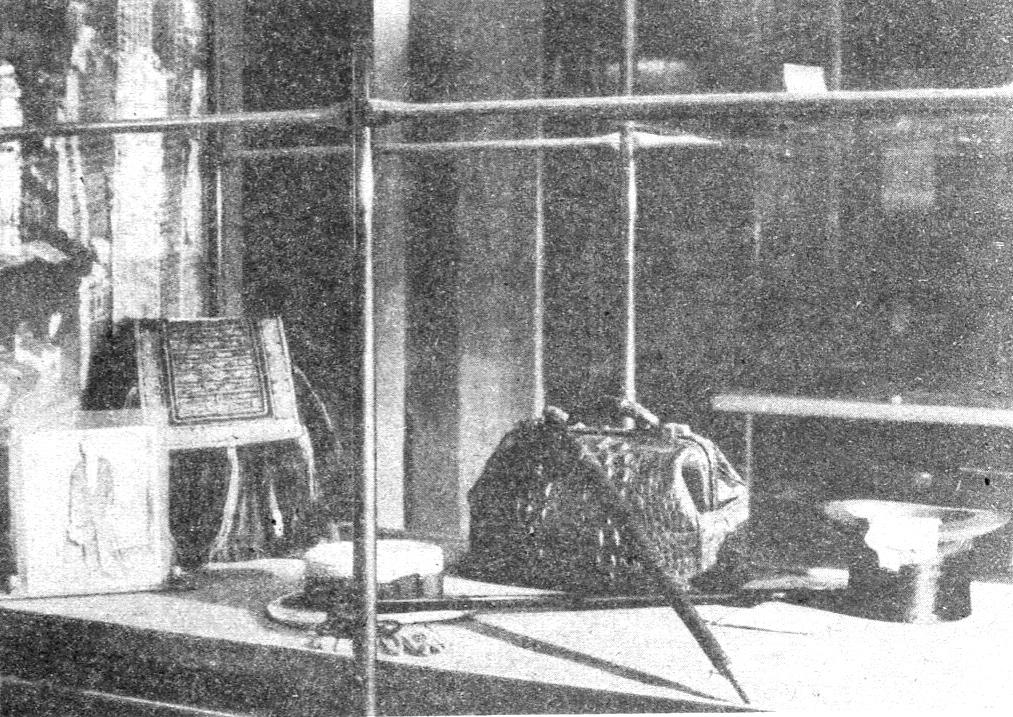
All this possesses not only great historical value but also an inspiring power for every curious individual who has something of the creative spirit, and especially for young people.
Tito’s note in the Museum’s memorial book.
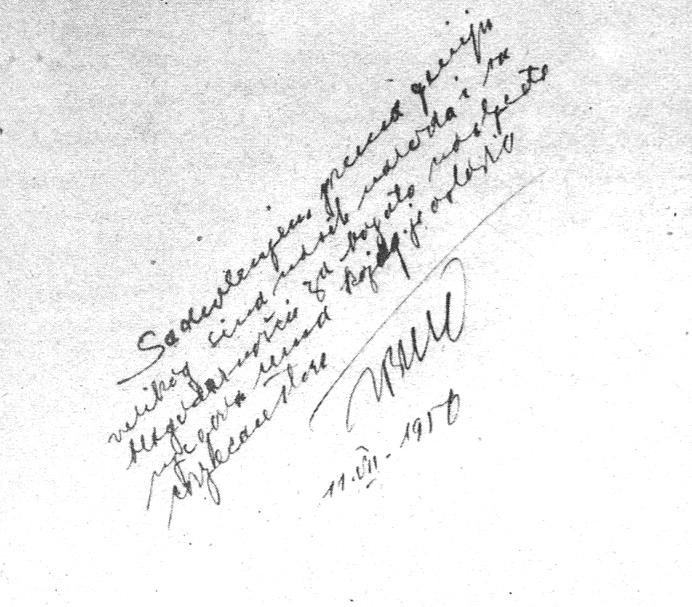
With admiration for the genius of the great son of our peoples and with gratitude for the rich legacy of his mind which he left to humanity.
11 July 1956.


Einstein’s congratulatory message to Tesla on his 75th birthday.


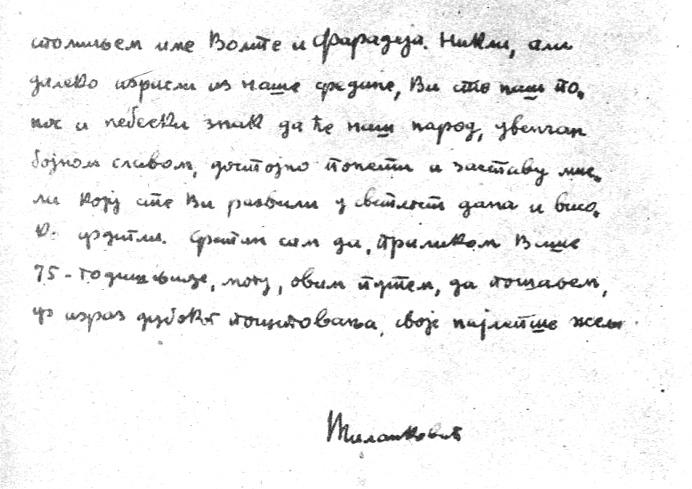
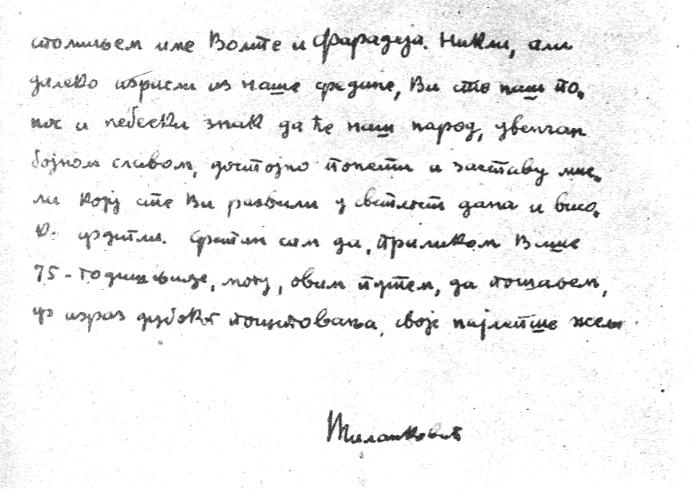
Milanković’s letter to Tesla.
University
Mathematical InstituteBelgrade, 16 June 1931
TO NIKOLA TESLA
New YorkDear Sir,
It has been almost forty years since I, as a small experimenter, first heard your name, which then echoed throughout the entire Serbian lands. Thirty years ago I proudly listened, in the lecture halls of the Vienna technical schools, to that same name mentioned by my professors of the time with the greatest recognition. And for the past twenty years I have pronounced it from my chair with the same respect with which I mention the names of Volta and Faraday. Born here, yet grown far beyond our midst, you are our pride and a celestial sign that our people, crowned with martial glory, will worthily bear the banner of thought that you have developed into the light of day and raised high. I am happy that, on the occasion of your 75th birthday, I can send you by this means, with an expression of deep respect, my best wishes.
MILANKOVIĆ