Nikola Tesla Inventions
Coil for Electro-Magnets
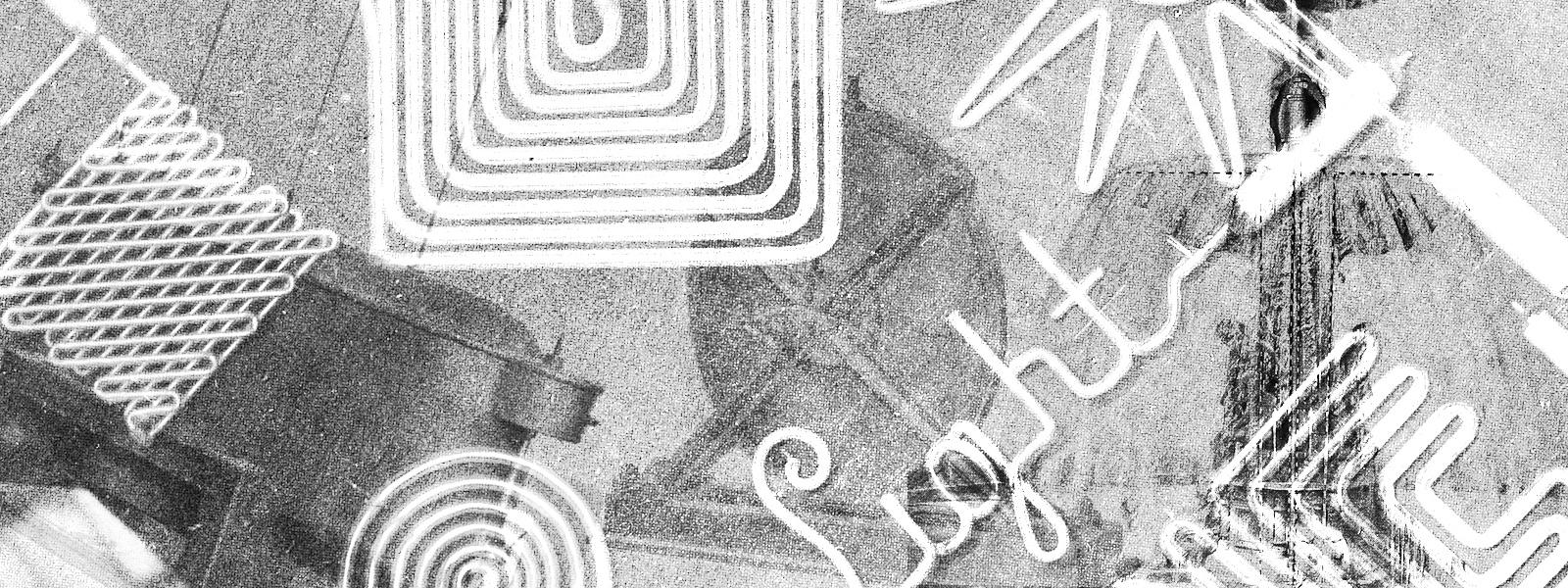
Nikola Tesla's bifilar coil, patented in 1894 under U.S. Patent 512,340, revolutionized electromagnetic coil design by winding two parallel wires in series to dramatically increase self-capacitance while neutralizing self-inductance. In conventional coils, adjacent turns create minimal potential difference, leading to low capacitance and requiring external capacitors to counteract inductive effects in high-frequency applications. Tesla's innovative flat or pancake bifilar configuration placed adjacent turns at higher potential differences, boosting the coil's inherent capacitance and allowing it to store more energy without additional components. This reduced costs, minimized losses, and enabled efficient operation in resonant circuits, making it ideal for electromagnets, transformers, and oscillators where inductance needed suppression.
The patent emphasized practical advantages in early electrical devices, enhancing performance in Tesla's high-frequency experiments and contributing to advancements in wireless transmission. Though not widely adopted commercially in his era due to material limitations, the bifilar coil has gained renewed interest in modern applications, including overunity research claims, high-voltage generators, and specialized inductors in radio frequency circuits. Enthusiasts and researchers today explore its potential in free energy devices and magnetic field enhancement, underscoring Tesla's foresight in manipulating electromagnetic properties for greater efficiency and power handling.