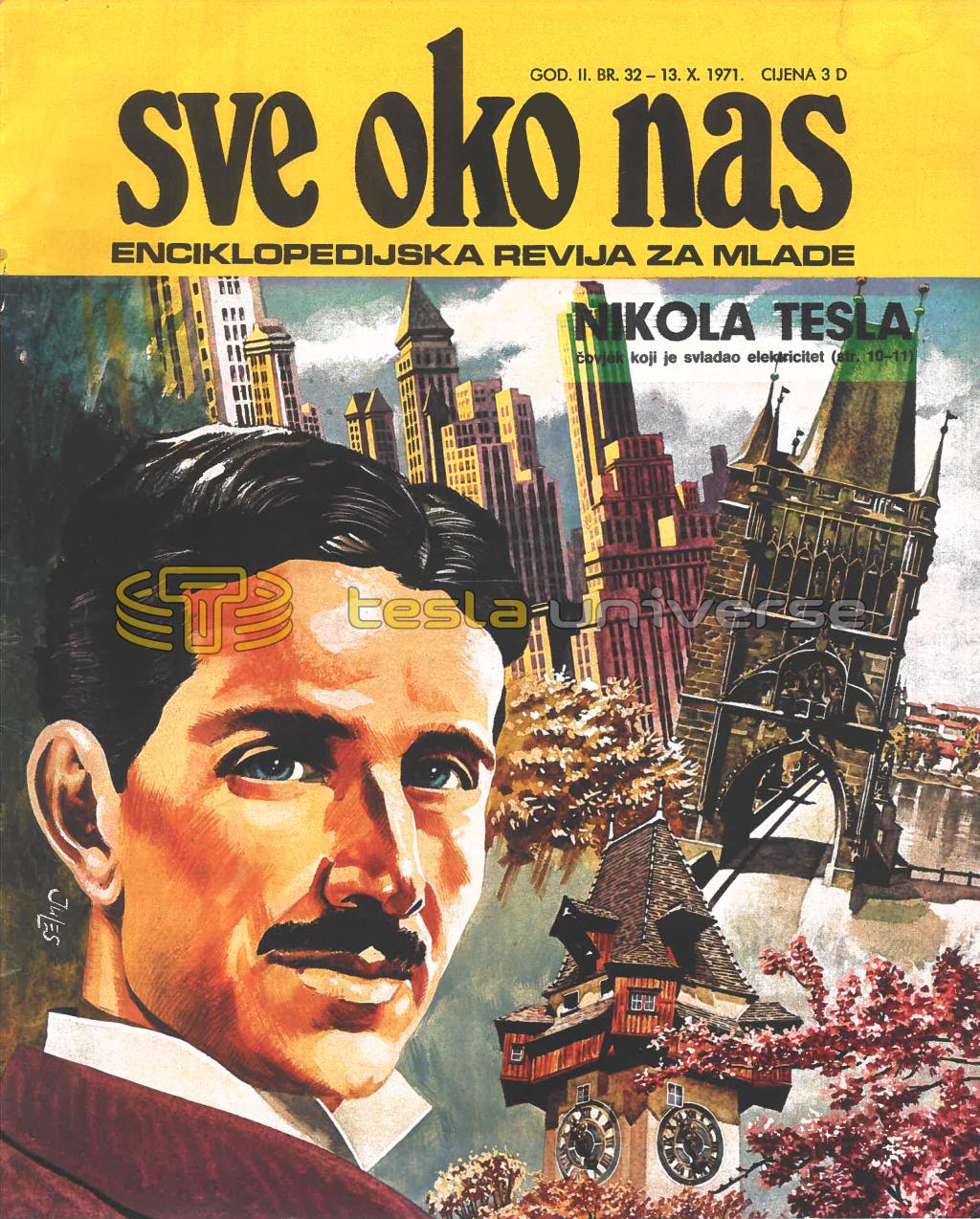
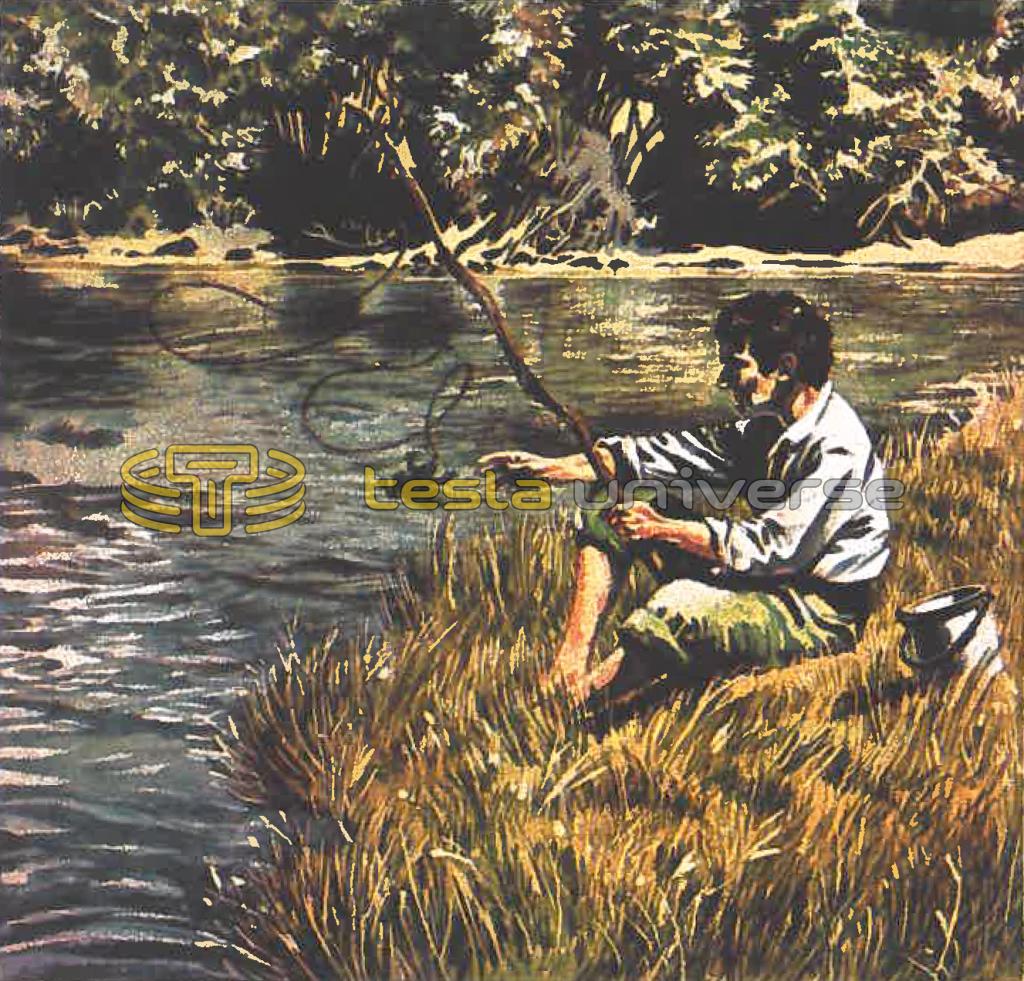
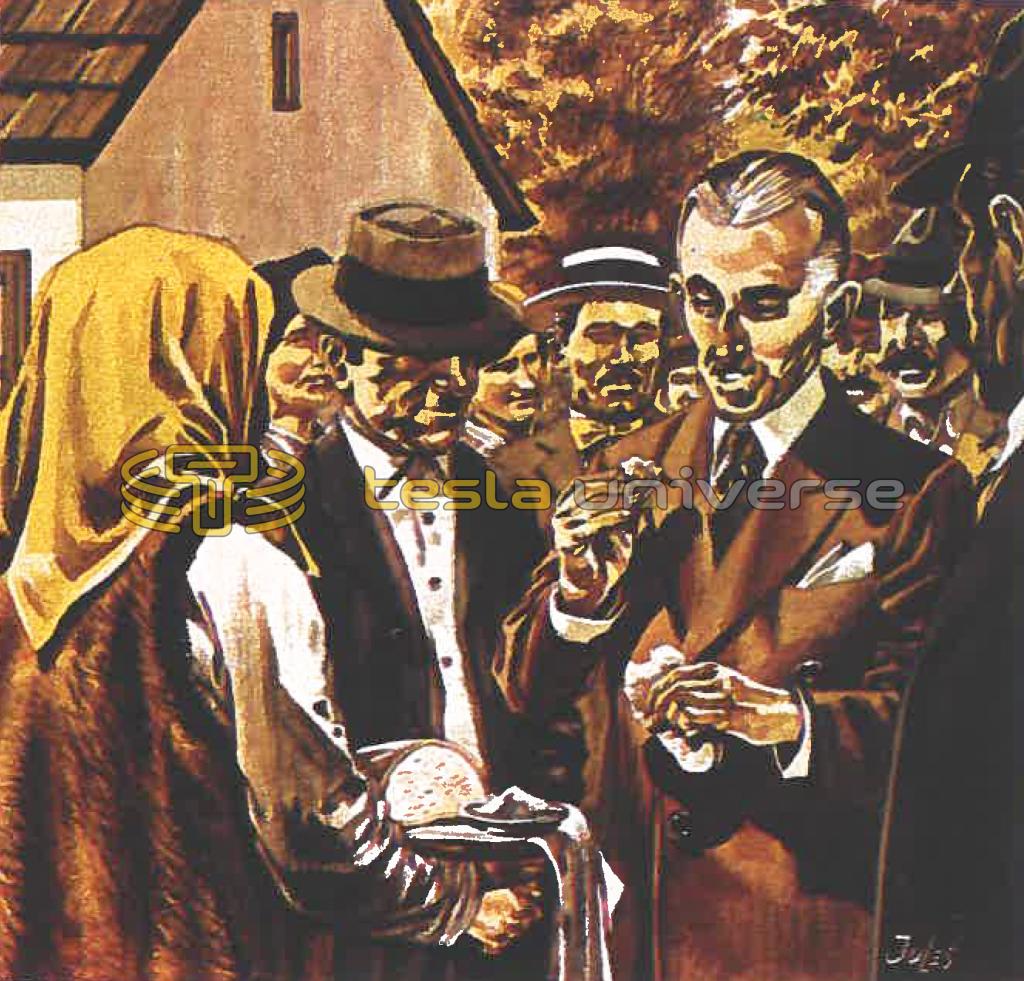
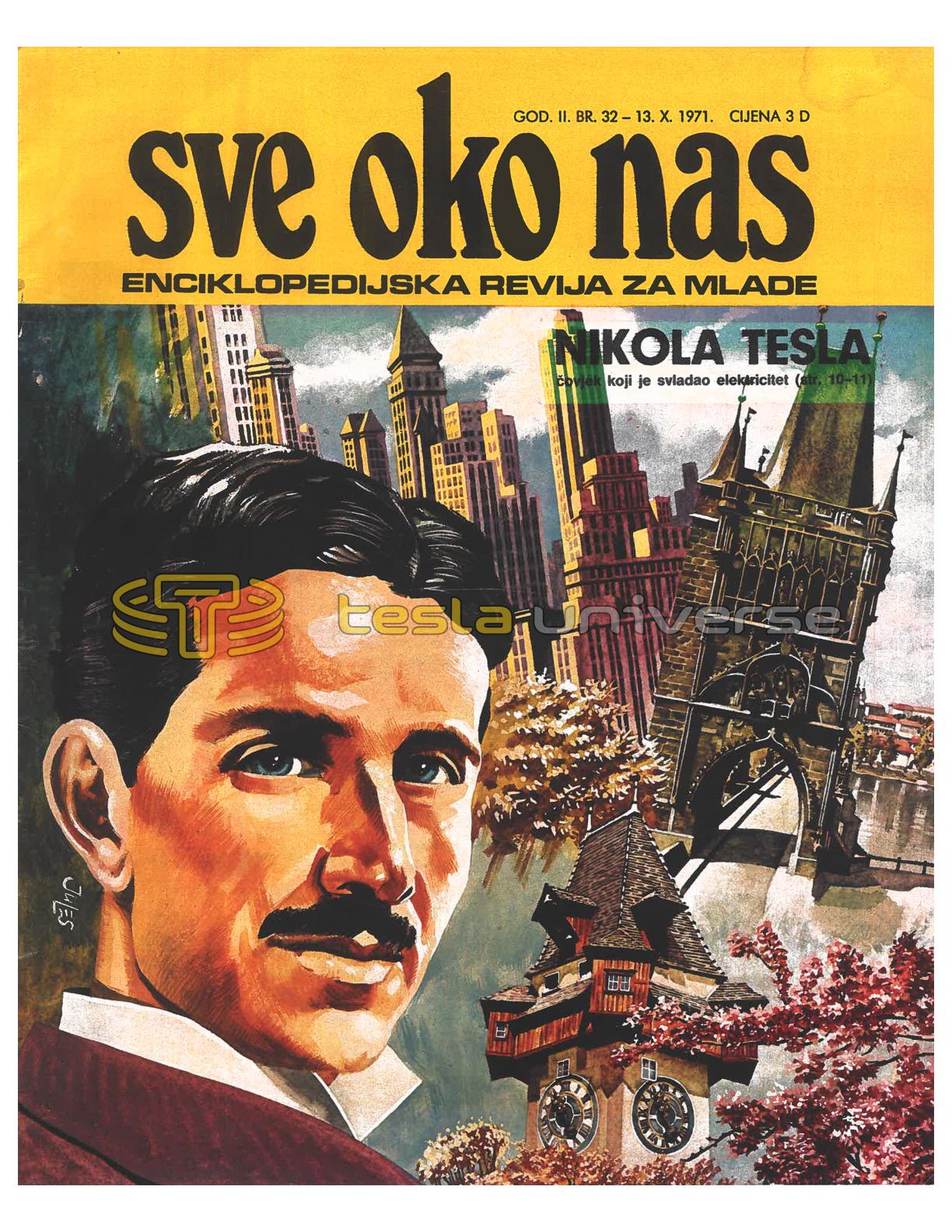
1. Perhaps no man has changed the technical picture of the world as much as Nikola Tesla. His passion for inventions appeared in earliest childhood (fishing rod, mill, parachute), and a little later a passion for reading (at the age of 14 he fell ill from excessive reading at night). He received the first impulses for his future life path in Smiljan near Gospić, where he was born 115 years ago. Tesla looked up to his enterprising, although illiterate mother, and his very educated father — a priest. The parents wanted him to become a priest, but he studied to be an engineer.
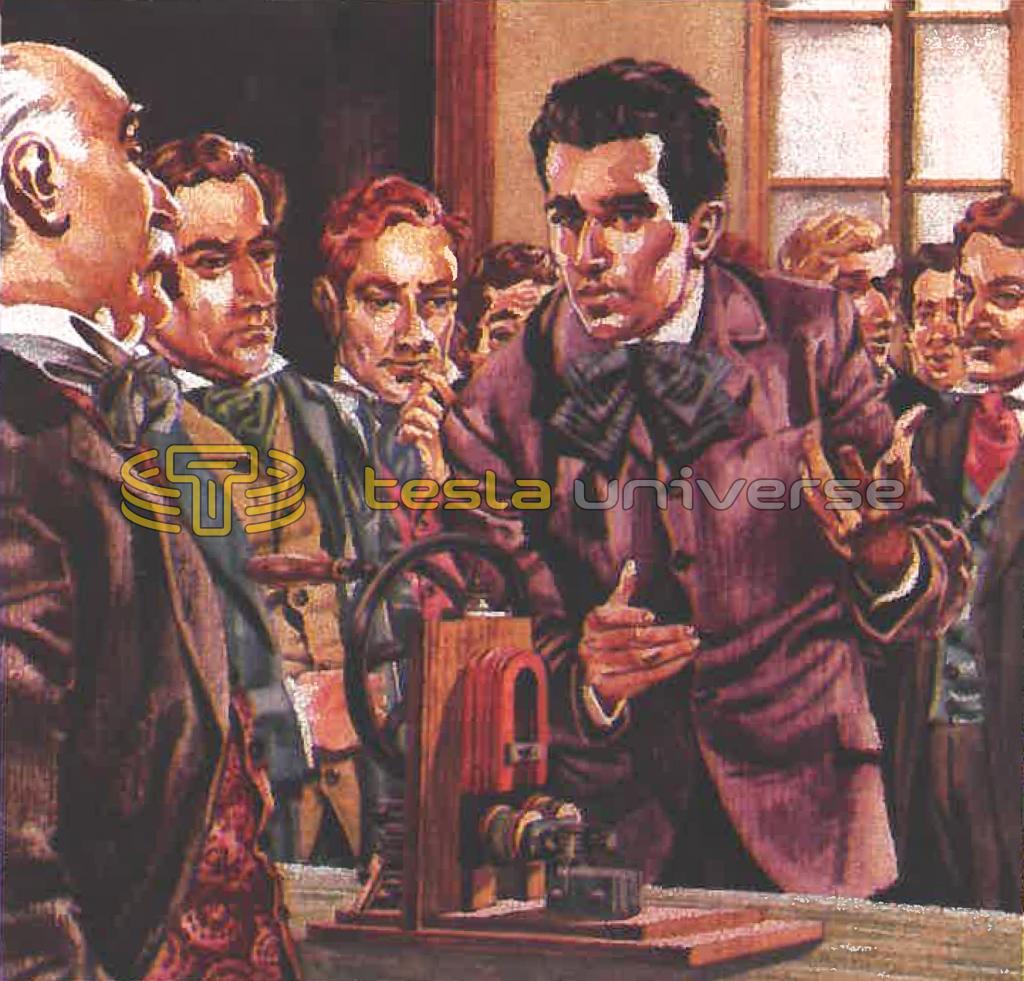
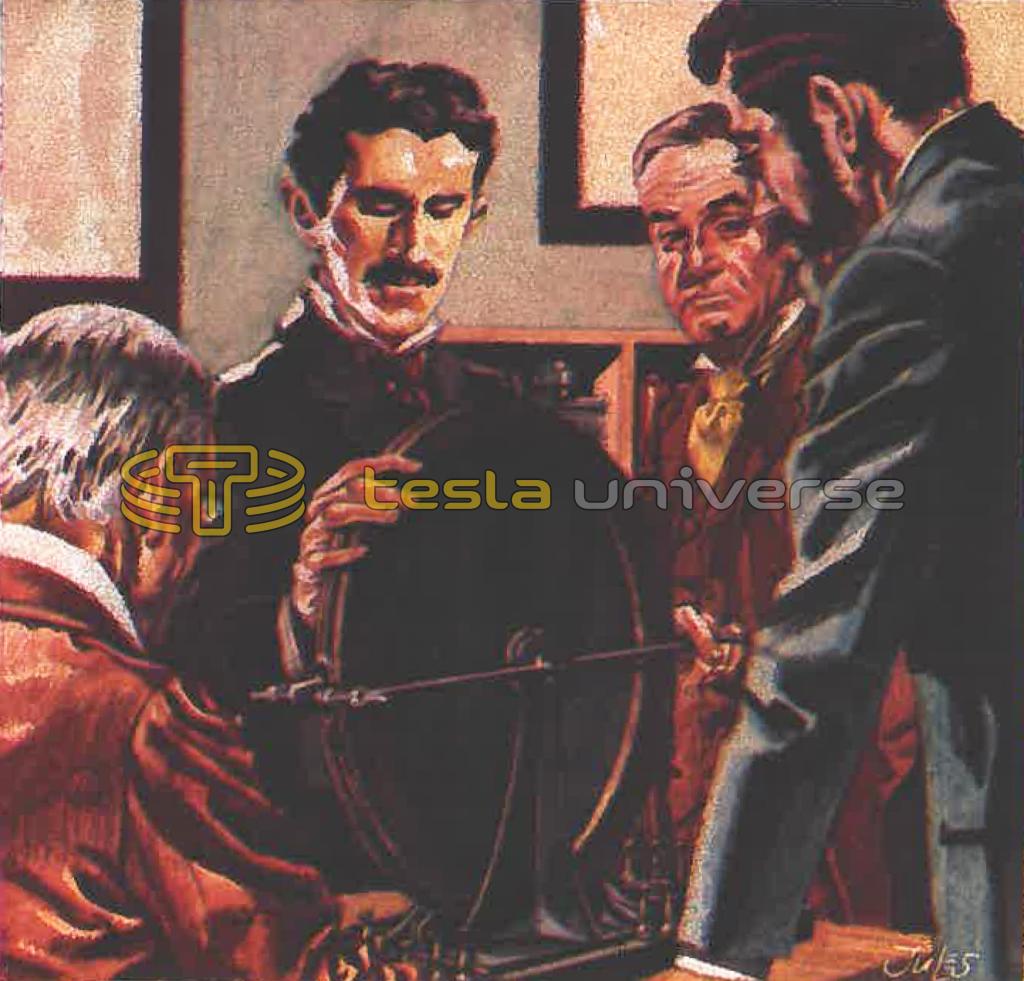
At the Higher Technical School in Graz he worked even 20 hours a day. When during a lecture the professor demonstrated the operation of an electric motor, Tesla declared that a motor could also be created without brushes and a commutator. The professor did not approve the idea of what would become Tesla’s greatest discovery. Tesla neglects his studies, plays billiards and cards, and unsuccessfully tries to find the principle of the new motor. He takes jobs in Maribor, Prague, and Budapest, and in that city, in a deserted park, while reciting Goethe’s “Faust” to a friend, he discovers the principle of the Tesla motor.
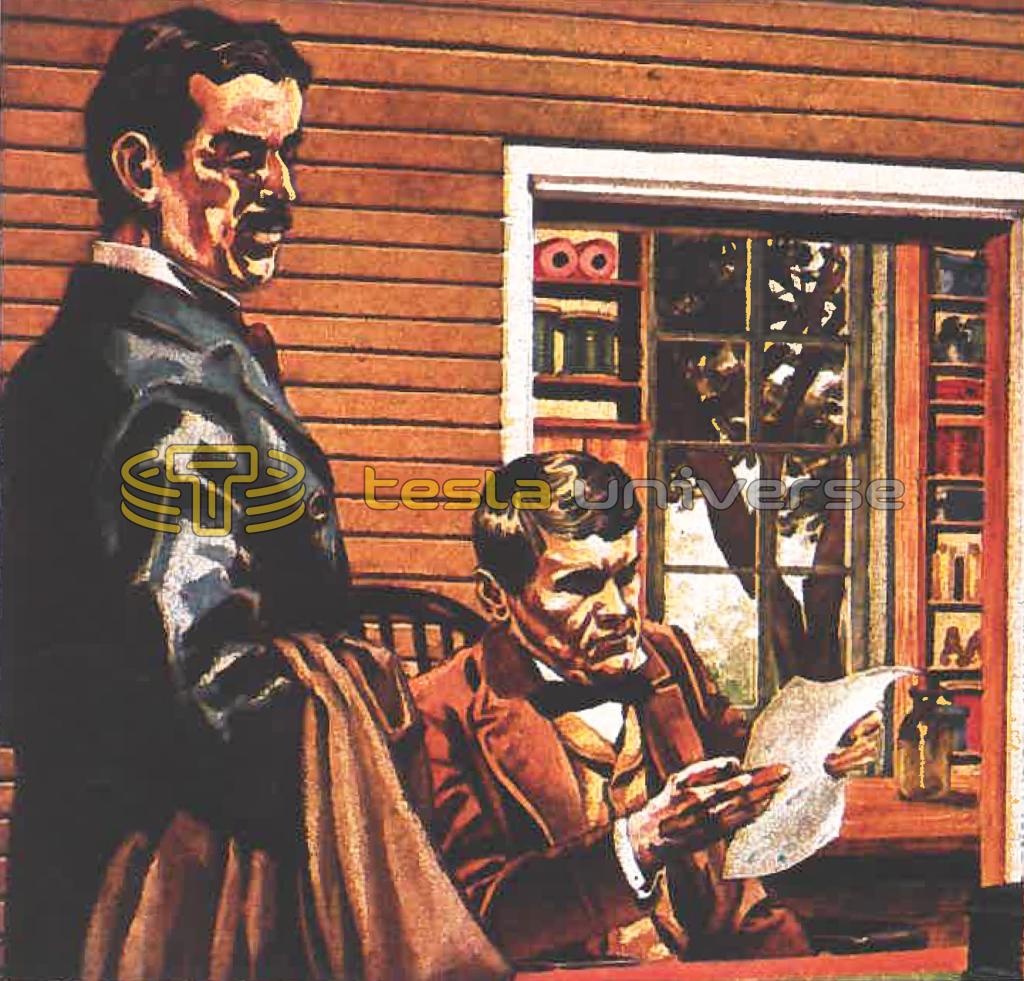
Tesla goes to Paris and Strasbourg (Štrasbur) and in 1883 builds a model of his motor, but no one wants to invest money in it. He goes to the USA with a letter that his European representative gave him for the famous Edison: “I know two great men, one is you, and the other is this young man whom I recommend to you.” Tesla parts ways with Edison, who was not his equal as a thinker. For a time he works on the production of arc lamps, and then as a mechanic, until the director of “Western Union” offers him the means for the “Tesla Electric Company.”
Now he can finally develop full activity; he files patents on the system of production, transmission, distribution and utilization of polyphase current, builds motors and generators on his principle of the rotating magnetic field with polyphase currents, alongside the synchronous one in 1886 he creates an asynchronous motor that can withstand a great load, sells the patents to the industrialist Westinghouse (Vestinghauz), one of the few who recognized the significance of those inventions. At the age of 30 begins the most important part of his life in which he will publish about 800 patents!
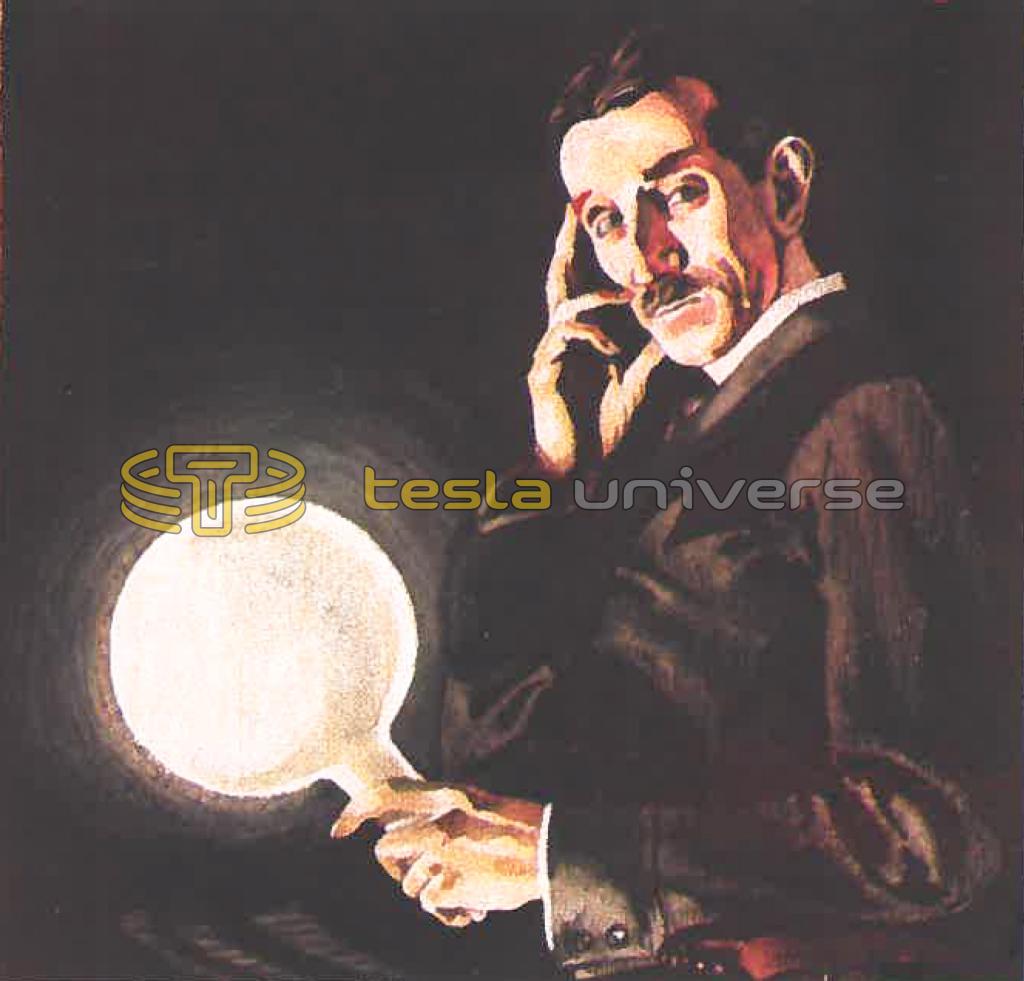
5. Only three years after that he throws himself into a new field, creates high-frequency current generators of several thousand periods per second, but dissatisfied with those results he invents the Tesla transformer, with the help of which he obtains Tesla currents. They do not cause electric shock, but create thermal effects and so are used in medicine for treatment. After these discoveries, which lasted 10 years, Tesla is invited to all parts of the world. Tesla demonstrates his currents, transmits energy over a distance without conductors. Despite all this he remains extremely modest.
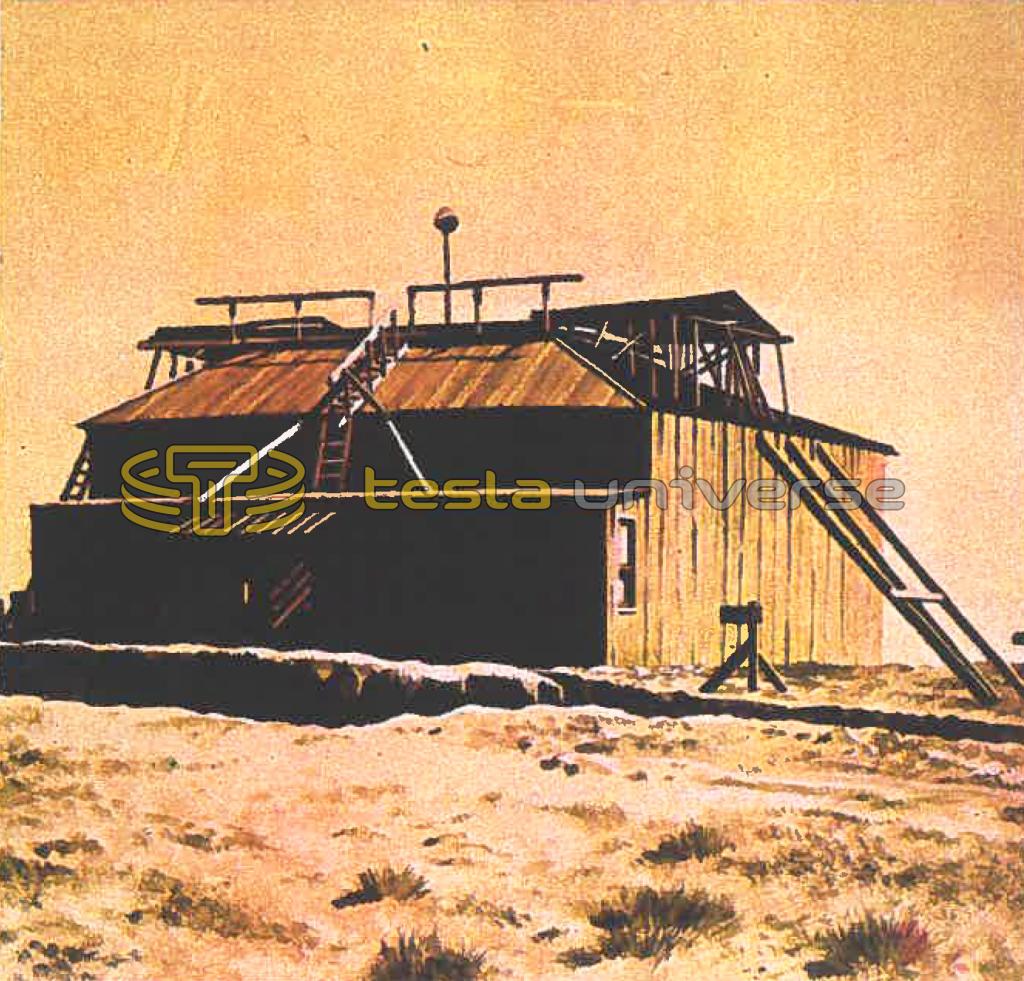
6. Although Marconi (Markoni) is most deserving for the commercial development of radio-telegraphy, Tesla already in 1893 at a lecture presented all the fundamentals of wireless signal transmission, and in 1894 built a primitive radio station in his laboratory. In the desolate parts of Colorado he built a large radio station in 1899 and from it carried out signal transmission over 1000 km, but few understood the significance of the experiments which required large resources. He remained known for the grounded antenna and the use of oscillatory circuits in the transmitter and receiver tuned to the same frequency.
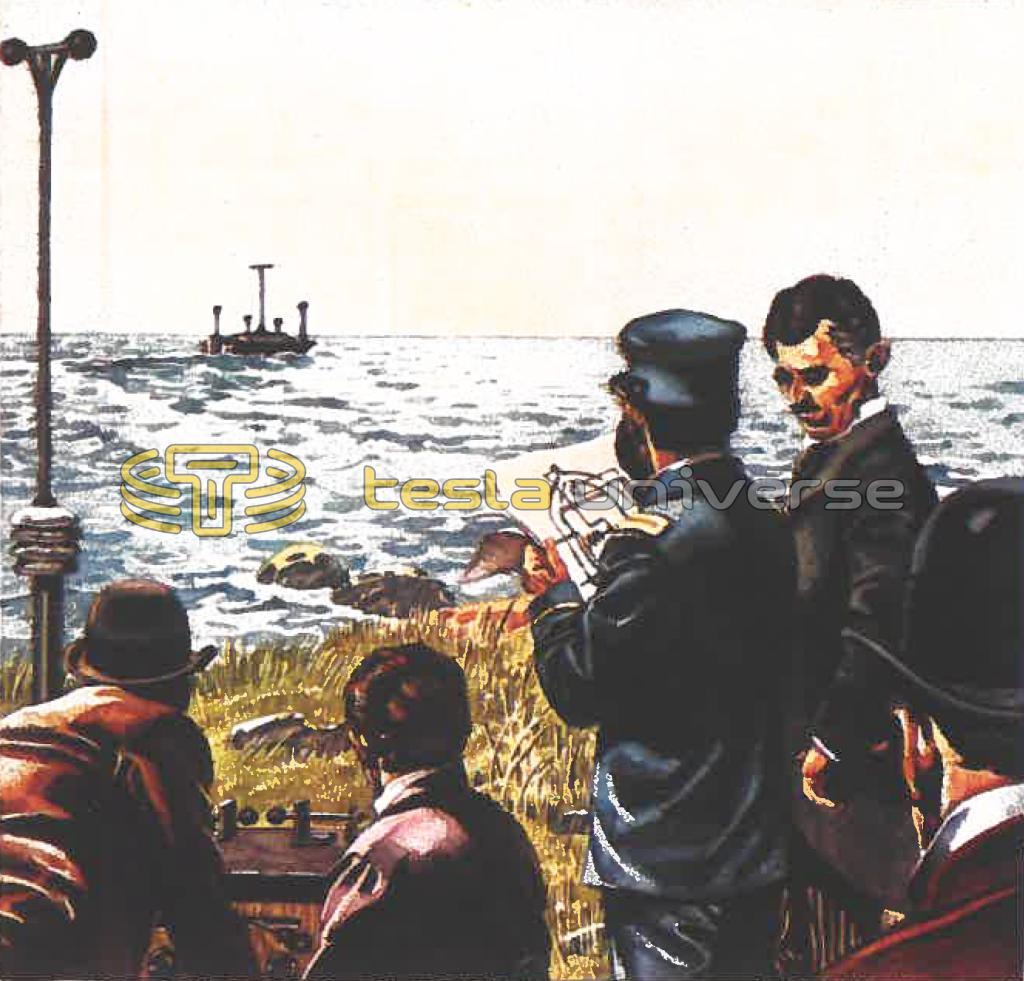
7. Tesla is also a forerunner of telemechanics; he built models which he controlled from a distance. In New York harbor in 1897 he controlled a model boat from a distance. Tesla is also a forerunner of radar; in 1917 he published an article in which he proposed determining the position of a submarine with the help of electromagnetic waves, but no one paid attention to that proposal, although as early as 1912 Tesla refused to accept the Nobel Prize (because he would have had to share it with Edison). True recognition was given to Tesla only in 1956, when the unit for magnetic flux density was named after him.
8. Although he visited his homeland only twice, Tesla maintained lively correspondence with his family and acquaintances. Although he lived without a family, he was sociable (Mark Twain and the pianist Paderewski were among his best friends) and very generous. He worked a great deal, slept only three or four hours a day, but nevertheless constantly expanded his encyclopedic knowledge; he read much literary and philosophical works in the eight languages he commanded perfectly. Although he was an honorary doctor of dozens of universities, until his death in 1943 he did not consider that he had done enough.
Downloads
Downloads for this article are available to members. Log in or join today to access all content.
Downloads
Downloads for this article are available to members. Log in or join today to access all content.