Nikola Tesla Articles
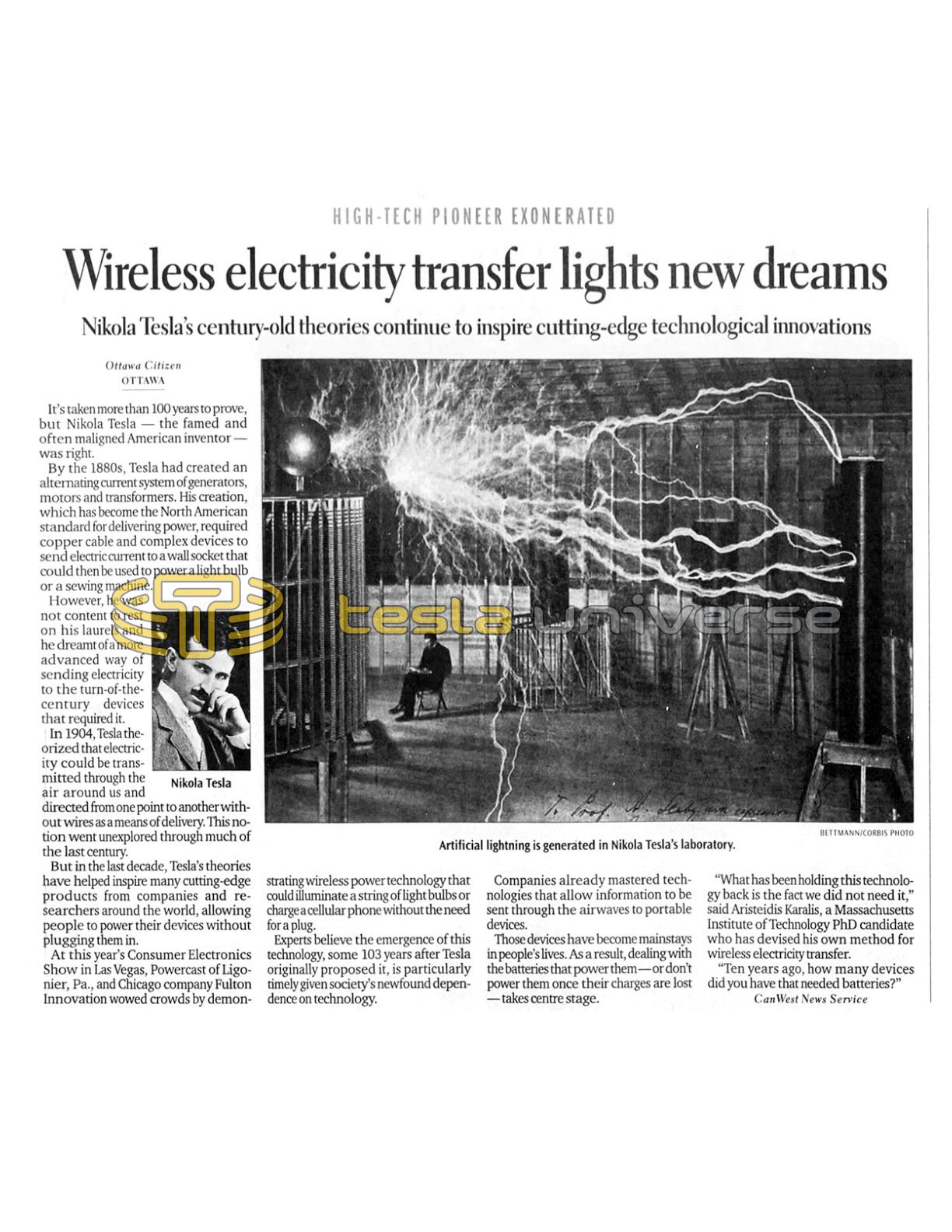
High-Tech Pioneer Exonerated
Wireless electricity transfer lights new dreams
Nikola Tesla's century-old theories continue to inspire cutting-edge technological innovations
Ottawa Citizen
OTTAWA
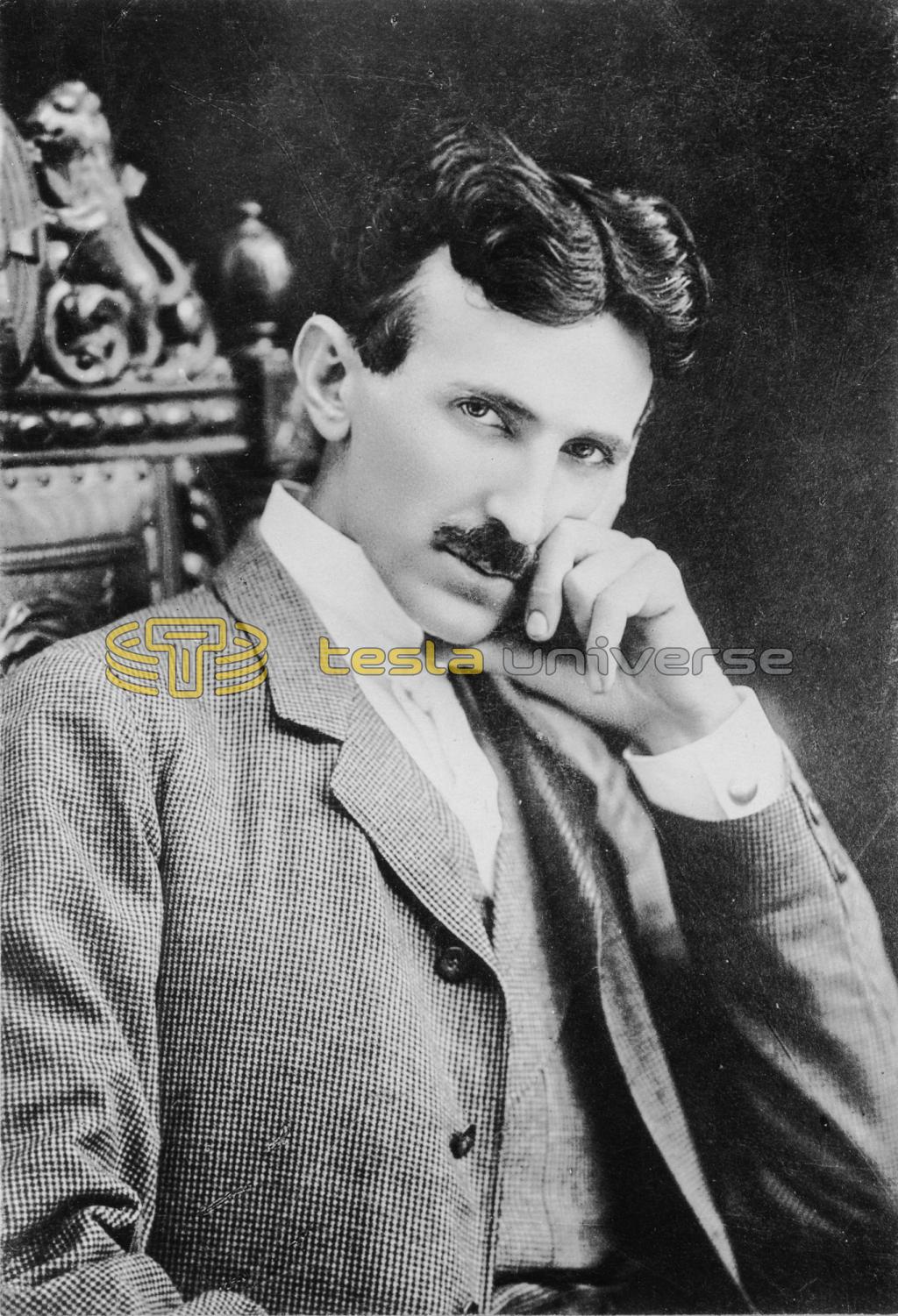
It's taken more than 100 years to prove, but Nikola Tesla — the famed and often maligned American inventor — was right.
By the 1880s, Tesla had created an alternating current system of generators, motors and transformers. His creation, which has become the North American standard for delivering power, required copper cable and complex devices to send electric current to a wall socket that could then be used to power a light bulb or a sewing machine.
However, he was not content to rest on his laurels and he dreamt of a more advanced way of sending electricity to the turn-of-the-century devices that required it.
In 1904, Tesla theorized that electricity could be transmitted through the air around us and directed from one point to another without wires as a means of delivery. This notion went unexplored through much of the last century.
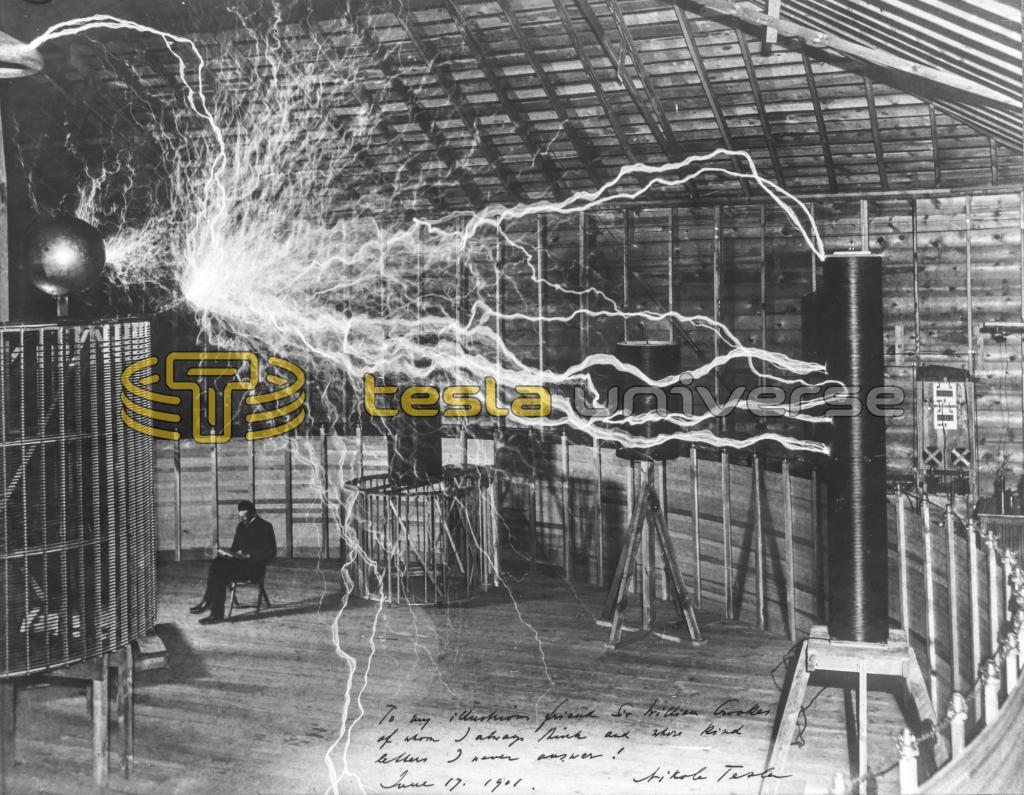
But in the last decade, Tesla's theories have helped inspire many cutting-edge products from companies and researchers around the world, allowing people to power their devices without plugging them in.
At this year's Consumer Electronics Show in Las Vegas, Powercast of Ligo- nier, Pa., and Chicago company Fulton Innovation wowed crowds by demon- strating wireless power technology that could illuminate a string of light bulbs or charge a cellular phone without the need for a plug.
Experts believe the emergence of this technology, some 103 years after Tesla originally proposed it, is particularly timely given society's newfound dependence on technology.
Companies already mastered technologies that allow information to be sent through the airwaves to portable devices.
Those devices have become mainstays in people's lives. As a result, dealing with the batteries that power them — or don't power them once their charges are lost — takes centre stage.
"What has been holding this technology back is the fact we did not need it," said Aristeidis Karalis, a Massachusetts Institute of Technology PhD candidate who has devised his own method for wireless electricity transfer. "Ten years ago, how many devices did you have that needed batteries?"
CanWest News Service